The Scalp Moisture Barrier: Structure, Function, and Repair
9 min read ·
Discover how the Scalp Moisture Barrier protects against dryness, flaking, and irritation, and learn the evidence-based steps to repair and maintain it.
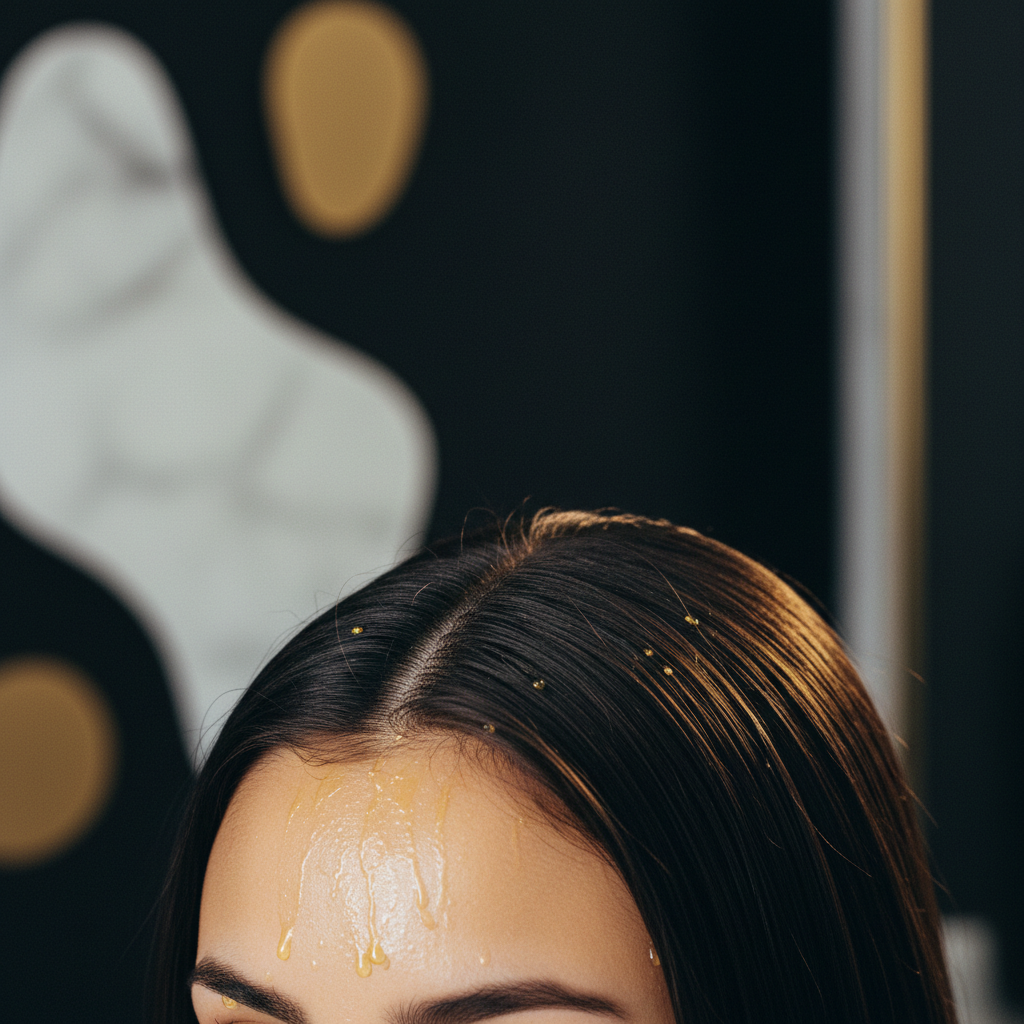
Quick answer: The Scalp Moisture Barrier is the outermost protective layer of the scalp, composed of flattened corneocyte cells bound by a lipid matrix of ceramides, cholesterol, and free fatty acids. It regulates trans-epidermal water loss (TEWL) and shields follicles from microbial dysbiosis, chemical irritants, and physical friction. When disrupted, it triggers flaking, redness, tightness, and stinging. However, repairing this barrier improves scalp comfort and reduces breakage from secondary scratching, but it does not cure genetic or autoimmune hair loss disorders.
Key takeaways
- The scalp barrier consists of the stratum corneum, an acidic mantle (pH 4.5 to 5.5), and a balanced microbiome dominated by Cutibacterium and Malassezia species.
- Disruption leads to elevated trans-epidermal water loss, leaving the skin vulnerable to dryness, irritation, and opportunistic inflammatory flares.
- Harsh surfactants, excessive heat, alkaline chemical treatments, and over-exfoliation represent the most common causes of barrier impairment.
- Restoring the barrier requires mild cleansing, humectant-rich hydration, physiological lipids (ceramides, fatty acids), and pH-balanced formulations.
- Persistent flaking, erythema, or scaling that does not resolve with barrier-supportive care often points to underlying dermatological conditions such as seborrhoeic dermatitis or psoriasis.
Scalp Moisture Barrier: what the evidence shows
Research demonstrates that the scalp stratum corneum is structurally distinct from facial and body skin. Although the scalp has a high density of sebaceous glands producing sebum, its stratum corneum is often less cohesive and more prone to barrier failure than adjacent skin sites.
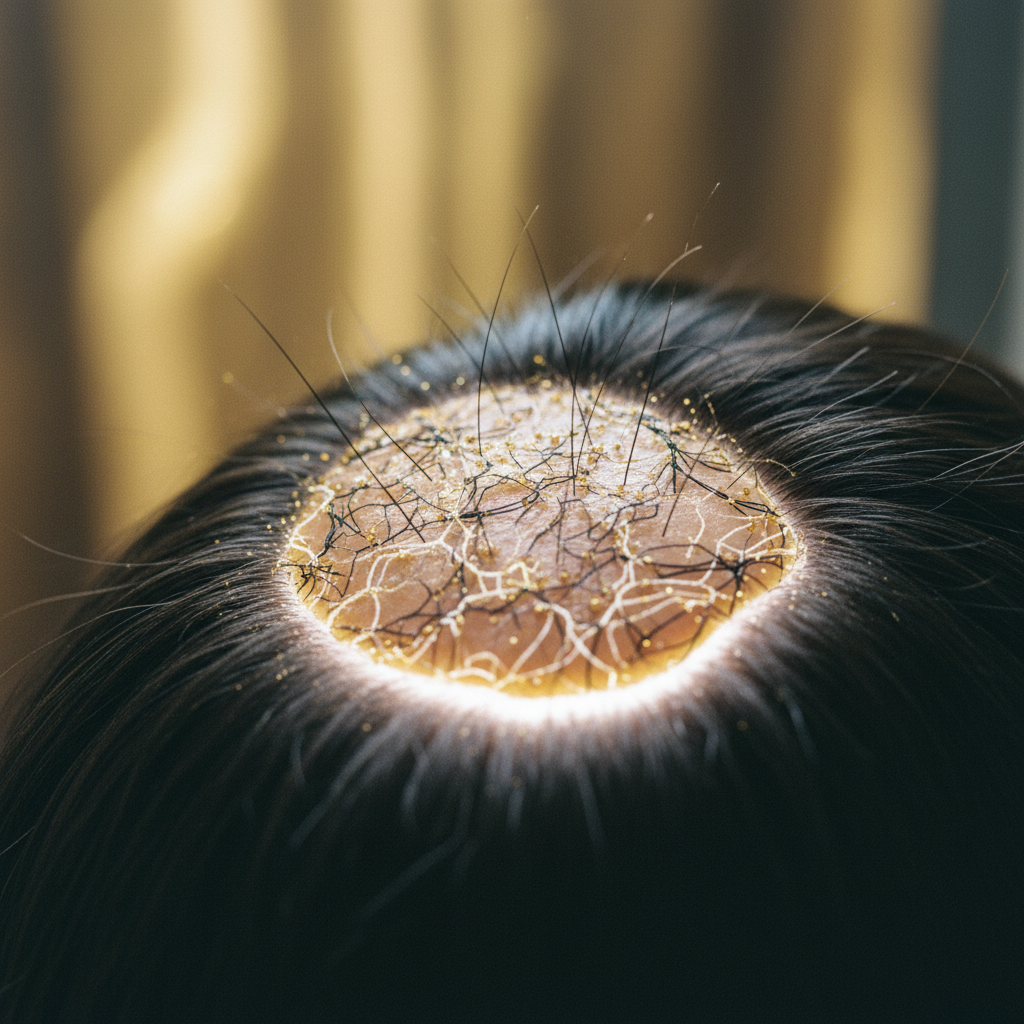
The primary structural model for the Scalp Moisture Barrier is the classic "brick and mortar" architecture. Keratin-packed corneocytes act as the bricks, while intercellular lipids (approximately 50% ceramides, 25% cholesterol, and 15% free fatty acids) form the mortar. This lipid seal maintains skin hydration by preventing trans-epidermal water loss (TEWL). When healthy, the barrier prevents environmental irritants, airborne allergens, and microbes from penetrating down to the viable epidermis and follicular infundibulum.
Dermatological studies confirm that an impaired barrier directly correlates with increased neurosensory discomfort, often reported as burning, itching, or stinging sensations. Furthermore, chronic subclinical inflammation resulting from barrier defects can disrupt the follicular environment, leading to impaired hair fibre cuticle formation, increased hair breakage, and poor cosmetic hair quality.
 [ Stratum Corneum: The "Brick and Mortar" Barrier ]
+-------------------------------------------------------------+
| [Corneocyte] (Lipid Mortar: Ceramides, Cholesterol, FFA) |
| [Corneocyte] [Corneocyte] |
+-------------------------------------------------------------+
 |
 [Acid Mantle: pH 4.5 to 5.5 Buffering]
 |
 [Viable Epidermis & Follicular Openings]
What the evidence does not show
It is vital to separate cosmetic scalp health from clinical alopecia. The evidence does not show that a damaged moisture barrier causes androgenetic alopecia (pattern hair loss) or alopecia areata. These conditions are driven by dihydrotestosterone (DHT) sensitivity and autoimmune responses, respectively, not superficial hydration levels.
Additionally, clinical trials do not support the idea that applying heavy natural oils (such as raw olive oil or coconut oil) automatically repairs a damaged barrier. While certain plant oils contain fatty acids, some oils can feed Malassezia yeasts, worsening conditions like seborrhoeic dermatitis. Barrier repair relies on balanced, bio-compatible formulations rather than occluding the scalp with unprocessed cooking oils.
Biological mechanism of the scalp barrier
The integrity of the scalp rests on three interconnected defence pillars: the physical lipid architecture, the chemical acid mantle, and the biological microbiome.
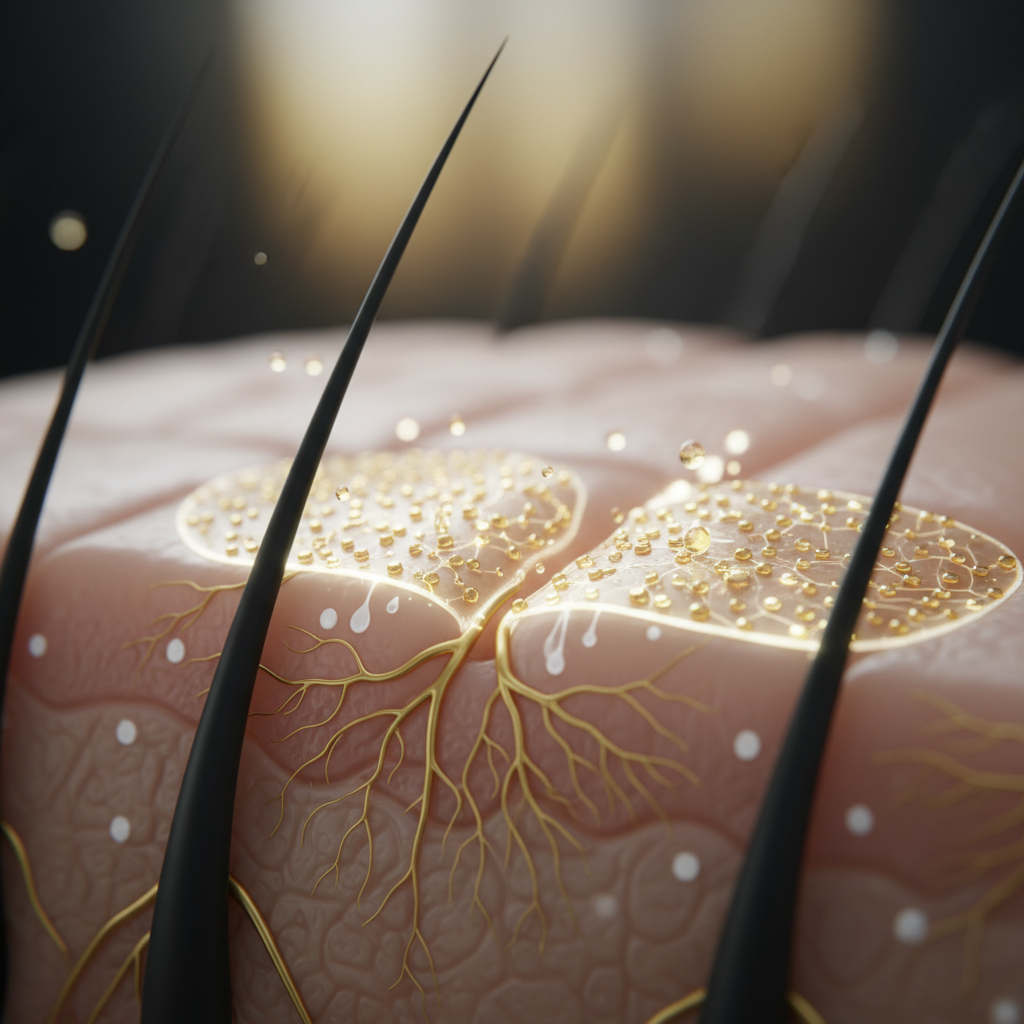
1. The lipid matrix and TEWL
Corneocytes contain Natural Moisturising Factors (NMF), which consist of amino acids, urea, and pyrrolidone carboxylic acid (PCA). NMF attracts and binds water within the cell. Surrounding these cells are lamellar lipid sheets. If harsh detergents strip these lipids away, water evaporates rapidly into the air, raising TEWL. The corneocytes shrink, crack, and shed prematurely as visible, dry micro-flakes.
2. The acid mantle (pH 4.5 to 5.5)
The scalp maintains a naturally acidic surface pH, typically between 4.5 and 5.5. This acidity is essential for activating enzymes that synthesise ceramides (such as beta-glucocerebrosidase) and regulating enzymes that control desquamation (corneodesmosome shedding). Washing the scalp with alkaline bar soaps or high-pH shampoos (pH 7.0 or higher) neutralises the acid mantle, leading to swelling of the hair cuticle and enzyme dysfunction in the stratum corneum.
3. The microbiome equilibrium
A healthy barrier hosts a stable colony of Cutibacterium acnes, Staphylococcus epidermidis, and lipophilic Malassezia yeasts (predominantly M. Restricta and M. Globosa). Malassezia consumes triglycerides in sebum and releases free unsaturated fatty acids, such as oleic acid. In individuals with a compromised barrier, oleic acid penetrates the stratum corneum, inciting an inflammatory cascade, hyper-proliferation of keratinocytes, and irregular desquamation.
Signs of an impaired scalp barrier
Differentiating between an impaired barrier and other conditions prevents incorrect product choices. A compromised barrier typically presents with:
- Tightness and dehydration: A sensation of pulling across the scalp, especially within an hour of washing.
- Pruritus (itching) and stinging: Reactive discomfort triggered by perspiration, hair products, or water contact.
- Fine, powdery flaking: Small, white, non-adherent flakes that fall freely onto the shoulders, unlike the thick, oily, yellowish scales typical of fungal overgrowth.
- Transient erythema: Diffuse, patchy pinkness without well-defined, raised plaques.
- Increased hair breakage: Scratching at an itchy, irritated scalp causes mechanical friction, leading to fractured hair fibres along the shaft.
Primary causes of barrier disruption
Understanding why the barrier fails allows you to adjust your daily regimen. Disruption typically stems from external and environmental stressors:
- Surfactant overuse: Strong anionic cleansers, such as unbuffered sodium lauryl sulphate (SLS), can strip intercellular lipids alongside excess sebum.
- Thermal stress: Washing with water temperatures above 40°C melts structural lipids, while high-heat blow-drying close to the roots evaporates critical moisture.
- Chemical processing: Bleaching agents, permanent dyes, and chemical relaxers have an alkaline pH (often between 9.0 and 11.0), which damages the stratum corneum protein network.
- Physical over-exfoliation: Coarse scalp scrubs with jagged nut shells or aggressive mechanical brushes can cause micro-fissures in the delicate epidermal surface.
- Climatic extremes: Low environmental humidity (below 40%), winter central heating, and high UV radiation deplete NMF reserves.
Restoring and supporting the barrier
Repairing a disrupted scalp takes consistency. A standard skin renewal cycle takes roughly 28 days, meaning structural improvements require three to four weeks of sustained care.
Cleansing with care
Switch to gentle, low-foam, or amphoteric surfactant systems (such as cocamidopropyl betaine or alkyl polyglucosides) formulated within a pH range of 4.5 to 5.5. Cleanse thoroughly to prevent sebum accumulation, but avoid stripping the skin bare. If you wash daily, ensure your cleanser contains protective conditioning agents.
Humectants and physiological lipids
Look for leave-on scalp serums and tonics containing biomimetic hydrators. Effective choices include:
- Glycerin and hyaluronic acid: Draw water from the deeper layers and ambient air into the stratum corneum.
- Panthenol (Pro-Vitamin B5): Calms irritation and supports epidermal cellular repair.
- Ceramides (EOP, NP, AP) and Niacinamide: Boost the natural production of structural lipids and strengthen barrier resilience.
- Allantoin and Bisabolol: Provide fast-acting soothing benefits for reactive, stinging scalps.
Watermans scalp support
For those seeking to maintain a resilient follicular environment, Watermans offers targeted, balanced formulations. Watermans products are developed to respect natural skin physiology, combining gentle, scalp-friendly cleansing with conditioning botanicals and nutrients that care for the hair shaft without stripping the surrounding skin.
| Condition Feature | Impaired Moisture Barrier | Dry Scalp (Dehydration) | Seborrhoeic Dermatitis | Scalp Psoriasis |
|---|---|---|---|---|
| Primary Mechanism | Lipid depletion and high TEWL | Low environmental moisture/NMF | Inflammatory response to Malassezia | Autoimmune-driven hyperproliferation |
| Flake Characteristics | Fine, dry, small white flakes | Tiny, powdery, transient flakes | Oily, greasy, yellowish scales | Thick, silvery-white, adherent plaques |
| Surface Appearance | Diffuse redness, irritation | Normal colour, dull finish | Erythematous, greasy surface | Well-demarcated, raised red plaques |
| Sensory Symptoms | Stinging, burning, tightness | Mild itch, feeling of dryness | Moderate to severe burning itch | Soreness, tightness, intense itch |
| First-Line Response | Lipid replenishment, pH 5.0 care | Humectants, lower water heat | Antifungal agents (e.g., ketoconazole) | Medical assessment, prescribed steroids |
When the cause is something else
Not all flaking or irritation stems from a simple barrier defect. When topical hydrators fail to soothe the scalp, you may be experiencing a clinical condition:
- Contact dermatitis: An allergic or irritant response to specific ingredients (such as fragrance allergens or preservatives like methylisothiazolinone).
- Seborrhoeic dermatitis: A chronic, relapsing condition driven by an inflammatory reaction to Malassezia metabolites, requiring anti-fungal or kerato-regulating interventions.
- Scalp psoriasis: An immune-mediated disorder leading to rapid skin cell turnover, forming distinct, thick plaques that shed silvery scales.
When to seek professional advice
If your scalp displays weeping sores, yellow crusting, bleeding, severe pain, or demarcated red patches that extend beyond the hairline, consult a doctor, dermatologist, or registered trichologist. You should also seek specialist guidance if you notice localized patches of complete hair loss (alopecia), widening partings, or diffuse shedding (telogen effluvium), as these symptoms require medical evaluation rather than cosmetic adjustments.
Frequently asked questions about Scalp Moisture Barrier
How long does it take to repair a damaged Scalp Moisture Barrier?
Repairing a disrupted Scalp Moisture Barrier typically takes between two and four weeks. This timeframe aligns with the natural epidermal turnover cycle, in which keratinocytes mature into functional corneocytes. Consistently using gentle, pH-balanced cleansers and lipid-restoring leave-on products without using harsh chemical or heat treatments allows the stratum corneum to re-establish its protective seal.
Can oiling my head fix a broken moisture barrier?
Oiling alone rarely fixes a damaged barrier. Pure oils are occlusives that trap existing moisture, but they do not supply the water-binding Natural Moisturising Factors (NMF) or the balanced ratio of ceramides, cholesterol, and fatty acids needed for structural repair. Heavy oils can also encourage Malassezia yeast growth, worsening inflammation.
Does a damaged scalp barrier cause hair loss?
A damaged moisture barrier does not cause follicular hair loss, such as androgenetic alopecia. However, it frequently causes intense itching and burning. Chronic, aggressive scratching causes mechanical trauma to the hair shaft, resulting in hair breakage that can give the appearance of thinner, uneven hair.
How does shampoo pH affect the scalp barrier?
A shampoo with an alkaline pH (above 6.5) disrupts the scalp's natural acid mantle (pH 4.5 to 5.5). This disruption interferes with the lipid-processing enzymes responsible for barrier construction, increases moisture loss, and causes the hair cuticle to swell, increasing friction and leaving both scalp and hair vulnerable to damage.
Conclusion
A healthy Scalp Moisture Barrier is the foundation of long-term hair comfort and cosmetic hair quality. By maintaining the stratum corneum with physiological lipids, protecting the acid mantle, and respecting the scalp microbiome, you prevent chronic trans-epidermal water loss and soothe surface irritation. Keep your routine balanced: cleanse gently, hydrate thoughtfully, and avoid unnecessary physical and chemical irritation to keep your scalp resilient.
Sources and references
- British Association of Dermatologists: Guidelines on the management of scalp conditions (2020)
- Journal of Investigative Dermatology: Stratum Corneum Lipids and the Epidermal Barrier (2018, DOI: 10.1016/j.jid.2018.01.015)
- International Journal of Cosmetic Science: Scalp condition impact on hair quality (2018, DOI: 10.1111/ics.12489)
- National Health Service (NHS): Itchy scalp, dandruff, and skin conditions (2023)
- Indian Journal of Dermatology: The Acid Mantle and Hair Cleansing Dynamics (2014, DOI: 10.4103/0019-5154.141441)
Find these ingredients in Watermans products
- Oleic Acid: you will find this ingredient in our Camellia & Black Castor Hair & Body Oil.
- Niacinamide: you will find this ingredient in our Hair Mask.
- Panthenol (Provitamin B5): you will find this ingredient in our Heat Protection Spray.