Understanding Scalp Health and Common Conditions
8 min read ·
Understanding scalp health and common conditions is key to maintaining healthy hair growth and overall well-being.
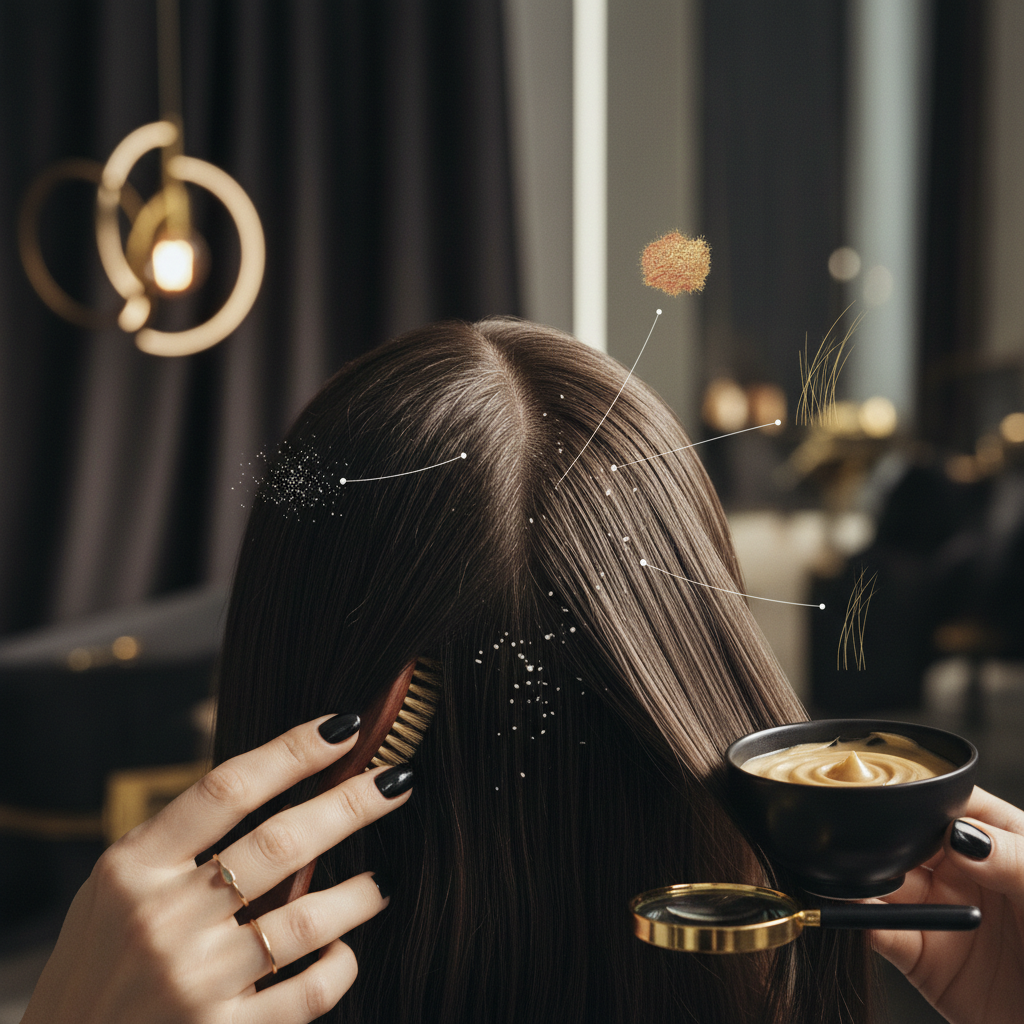
Quick answer: Scalp Health and Common Conditions refers to the state of the skin on your head, which provides the foundation for healthy hair growth. A healthy scalp is typically clean, moisturised, and free from irritation, flaking, or excessive oiliness. Common conditions like dandruff, seborrhoeic dermatitis, and psoriasis can disrupt this balance, leading to symptoms such as itching, redness, and shedding. While many issues can be managed at home, persistent or severe symptoms warrant professional medical advice.
Key takeaways
- Your scalp is skin, and it needs proper care just like the rest of your body.
- Good scalp health is fundamental for supporting healthy hair growth and reducing hair shedding or breakage.
- Common scalp conditions include dandruff, seborrhoeic dermatitis, psoriasis, and folliculitis, each with distinct causes and symptoms.
- Symptoms like itching, flaking, redness, and discomfort often indicate an underlying scalp issue.
- Many scalp conditions can be managed with specific haircare practices and over-the-counter treatments.
- Persistent or severe scalp problems should always be assessed by a dermatologist or healthcare professional.
Scalp Health and Common Conditions: what the evidence shows
The health of your scalp directly influences the condition and growth of your hair. A healthy scalp environment supports strong hair follicles, allowing hair fibres to grow optimally. Conversely, an unhealthy scalp, characterised by inflammation, irritation, or imbalance in its microbiome, can lead to various problems, from mild discomfort to significant hair shedding or breakage.
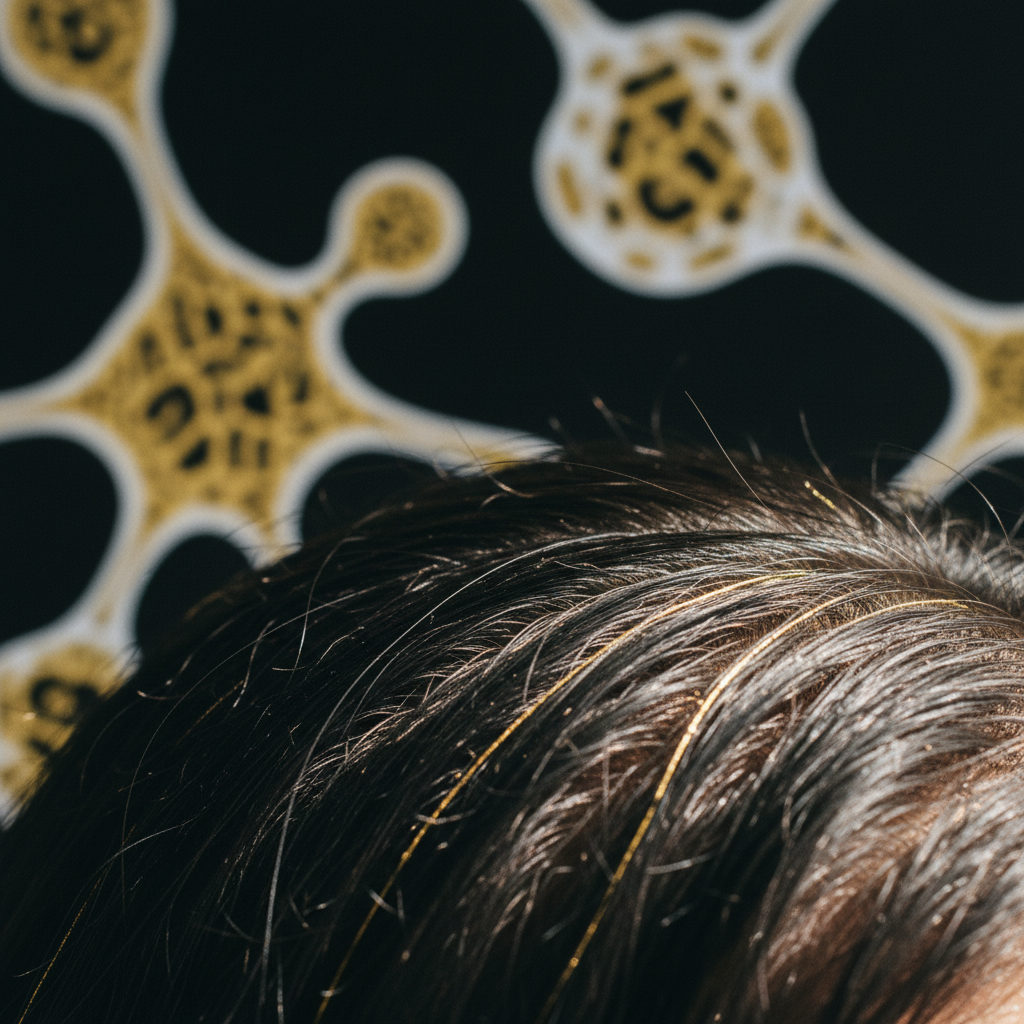
Evidence highlights that the scalp is a complex ecosystem involving skin cells, sebaceous glands, hair follicles, and a diverse community of microorganisms. Maintaining a balanced scalp microbiome and an intact skin barrier is crucial for preventing conditions like dandruff (pityriasis capitis) and seborrhoeic dermatitis. These conditions are often linked to an overgrowth of certain yeasts, such as Malassezia species, which naturally reside on the scalp.
The mechanism behind common scalp issues
Many common scalp conditions stem from a disruption in the scalp's natural balance. For example:
- Dandruff and Seborrhoeic Dermatitis: These conditions are closely related and share mechanisms. Malassezia yeast metabolises sebum (natural scalp oil), producing oleic acid. For individuals sensitive to oleic acid, this can trigger an inflammatory response, leading to increased cell turnover and the characteristic flaking, itching, and redness. Seborrhoeic dermatitis is a more severe form, often involving greater inflammation and oiliness.
- Scalp Psoriasis: This is an autoimmune condition where skin cells grow too quickly, accumulating into thick, silvery scales. It's not infectious and is linked to genetic and immune system factors, leading to chronic inflammation.
- Contact Dermatitis: This occurs when the scalp reacts to an irritant or allergen, such as certain ingredients in shampoos, dyes, or styling products. The immune system identifies the substance as harmful, triggering inflammation, itching, and redness.
- Folliculitis: This is an inflammation or infection of the hair follicles, often caused by bacteria (like Staphylococcus aureus), fungi, or even ingrown hairs. It results in small, red bumps or pustules, which can be itchy or tender.
Signs to look for
Recognising the signs of common scalp conditions early can help in effective management. Here are typical indicators:
- Itching (Pruritus): A very common symptom across many conditions, from mild dryness to severe inflammation. Persistent itching can indicate dandruff, seborrhoeic dermatitis, psoriasis, or even parasitic infections.
- Flaking: The shedding of dead skin cells. Fine, white flakes usually suggest dry scalp or mild dandruff. Larger, yellowish, oily flakes are more characteristic of seborrhoeic dermatitis. Thick, silvery scales indicate psoriasis.
- Redness and Inflammation: The scalp may appear red, irritated, or swollen, often accompanied by itching or tenderness. This is common in seborrhoeic dermatitis, psoriasis, and contact dermatitis.
- Excessive Oiliness (Seborrhoea): Overactive sebaceous glands can lead to a greasy scalp, which can contribute to seborrhoeic dermatitis and make the hair appear lank or dirty quickly.
- Dryness: A tight, uncomfortable feeling on the scalp, often with fine, powdery flakes. This is typically due to insufficient moisture.
- Pustules or Bumps: Small, red, sometimes pus-filled bumps, often around hair follicles, point towards folliculitis.
- Tenderness or Pain: The scalp may feel sore or painful to touch, particularly with inflammation or infections.
Understanding the pH of your scalp
The pH scale measures how acidic or alkaline a substance is, ranging from 0 (highly acidic) to 14 (highly alkaline), with 7 being neutral. A healthy scalp's pH is slightly acidic, typically between 4.5 and 5.5. This acidic mantle helps protect against bacterial and fungal growth and maintains the integrity of the skin barrier.
When the scalp's pH balance is disrupted, it can become more vulnerable to issues. For instance, highly alkaline products can strip the scalp's natural oils, leading to dryness and irritation, or create an environment where certain microorganisms can thrive more easily. Using pH-balanced hair products helps support the scalp's natural protective barrier.
What you can do to support Scalp Health and Common Conditions
Many aspects of Scalp Health and Common Conditions can be improved through mindful hair care practices and lifestyle adjustments.
- Gentle Cleansing: Wash your hair regularly with a mild, sulphate-free shampoo to remove excess oil, product build-up, and dead skin cells without stripping natural moisture. Frequency depends on your hair type and activity level, but generally every 2 to 3 days is a good starting point for most.
- Targeted Treatments: For dandruff or seborrhoeic dermatitis, consider shampoos containing active ingredients like zinc pyrithione, selenium sulphide, salicylic acid, or ketoconazole. These help control Malassezia yeast or reduce cell turnover. Always follow product instructions carefully.
- Moisturise the Scalp: If your scalp is dry, look for leave-in scalp treatments, serums, or conditioners that contain hydrating ingredients like hyaluronic acid, aloe vera, or plant oils (e.g., jojoba, argan). Apply directly to the scalp.
- Avoid Irritants: Identify and avoid products that cause irritation or allergic reactions. Patch testing new products on a small area of skin before full application can be helpful.
- Manage Stress: Stress can exacerbate certain scalp conditions, such as psoriasis and seborrhoeic dermatitis. Incorporating stress-reduction techniques like meditation, yoga, or regular exercise can be beneficial.
- Healthy Diet: A balanced diet rich in vitamins (especially B vitamins, D, and E), minerals (zinc, iron), and omega-3 fatty acids supports overall skin health, including the scalp.
- Limit Heat Styling: Excessive heat from styling tools can dry out the scalp and hair, potentially leading to irritation. Use heat protectants and minimise direct heat application to the scalp.
Comparison of Common Scalp Conditions
| Condition | Key Symptoms | Common Causes | Management Approaches |
|---|---|---|---|
| Dry Scalp | Fine, white flakes; itching; tightness | Lack of moisture; harsh products; cold, dry air | Hydrating shampoos, leave-in scalp moisturisers |
| Dandruff | White to yellowish flakes; itching | Overgrowth of Malassezia yeast; oily scalp | Antifungal shampoos (zinc pyrithione, selenium sulphide) |
| Seborrhoeic Dermatitis | Redness, greasy patches, yellowish scales; intense itching | Malassezia yeast; genetics; stress; hormonal changes | Antifungal/anti-inflammatory shampoos, topical steroids |
| Scalp Psoriasis | Thick, silvery scales; redness; severe itching | Autoimmune condition; genetic predisposition | Medicated shampoos, topical corticosteroids, phototherapy |
| Contact Dermatitis | Redness, itching, burning, sometimes blisters | Allergic reaction to product ingredients (e.g., dyes) | Identify and avoid allergen; mild cleansers, topical steroids |
| Folliculitis | Red, painful bumps or pustules around hair follicles | Bacterial or fungal infection; ingrown hairs | Antibacterial/antifungal washes, warm compresses |
When to get professional advice
While many scalp issues are manageable with over-the-counter remedies and proper care, it's important to know when to seek professional help. Consult a doctor or dermatologist if you experience:
- Persistent or severe itching, redness, or flaking that doesn't improve with regular care.
- Open sores, crusting, or signs of infection (pus, increasing pain).
- Significant hair shedding or sudden changes in your hair's texture or density.
- Pain or tenderness on the scalp.
- Scalp symptoms accompanied by other body symptoms, such as joint pain or widespread skin rashes.
A healthcare professional can accurately diagnose the condition and recommend appropriate prescription treatments, such as stronger medicated shampoos, topical corticosteroids, or oral medications. They can also rule out more serious underlying health conditions.
Frequently asked questions about Scalp Health and Common Conditions
Can diet affect scalp health?
Yes, diet plays a role. A balanced diet rich in vitamins, minerals, and essential fatty acids supports overall skin health, including the scalp. Deficiencies in certain nutrients, like B vitamins, zinc, or omega-3s, can sometimes contribute to scalp dryness, inflammation, or poor hair quality. Eating plenty of fruits, vegetables, lean proteins, and healthy fats is beneficial.
How often should I wash my hair for good scalp health?
There's no universal answer, as it depends on your hair type, scalp oiliness, and activity level. Generally, washing every 2 to 3 days is sufficient for most people to keep the scalp clean without stripping essential oils. If you have a very oily scalp, daily washing might be necessary. A dry scalp might benefit from less frequent washing, perhaps every 3 to 4 days.
Is stress a cause of poor Scalp Health and Common Conditions?
Stress doesn't directly cause most scalp conditions, but it can certainly exacerbate them. For instance, stress is a known trigger for flare-ups of seborrhoeic dermatitis and psoriasis. High stress levels can also indirectly affect scalp health by disrupting hormonal balance or leading to habits like scratching, which can worsen irritation. Managing stress is a helpful part of a holistic approach to scalp care.
Can hair products cause scalp problems?
Absolutely. Certain ingredients in shampoos, conditioners, styling products, or hair dyes can irritate the scalp or trigger allergic reactions (contact dermatitis). Common culprits include strong sulphates, fragrances, parabens, and certain preservatives. If you suspect a product is causing issues, discontinue use and opt for hypoallergenic or 'free-from' alternatives.
Conclusion
Maintaining optimal Scalp Health and Common Conditions is an ongoing journey that impacts the vitality and appearance of your hair. By understanding the common issues, recognising their signs, and adopting appropriate care routines, you can effectively manage many scalp concerns. Remember that a healthy scalp provides the best possible environment for flourishing hair. Persistent or severe symptoms warrant professional medical advice for accurate diagnosis and tailored treatment.
Sources and references
- American Academy of Dermatology Association, 'Dandruff: Diagnosis and treatment', ongoing
- National Psoriasis Foundation, 'About Psoriasis', ongoing
- British Association of Dermatologists, 'Patient information leaflets', ongoing
- PubMed Central, Various peer-reviewed articles on scalp microbiome and skin barrier function, ongoing
Find these ingredients in Watermans products
- Zinc: you will find this ingredient in our Hair Vitamins.
- Oleic Acid: you will find this ingredient in our Camellia & Black Castor Hair & Body Oil.
- Aloe Vera: you will find this ingredient in our Curly Hair Conditioner.