Scalp Detox Methods: The Complete Evidence-Based Guide
9 min read ·
Learn the science behind Scalp Detox Methods, how to clear follicular buildup safely, what the evidence really shows, and how to protect your scalp barrier.
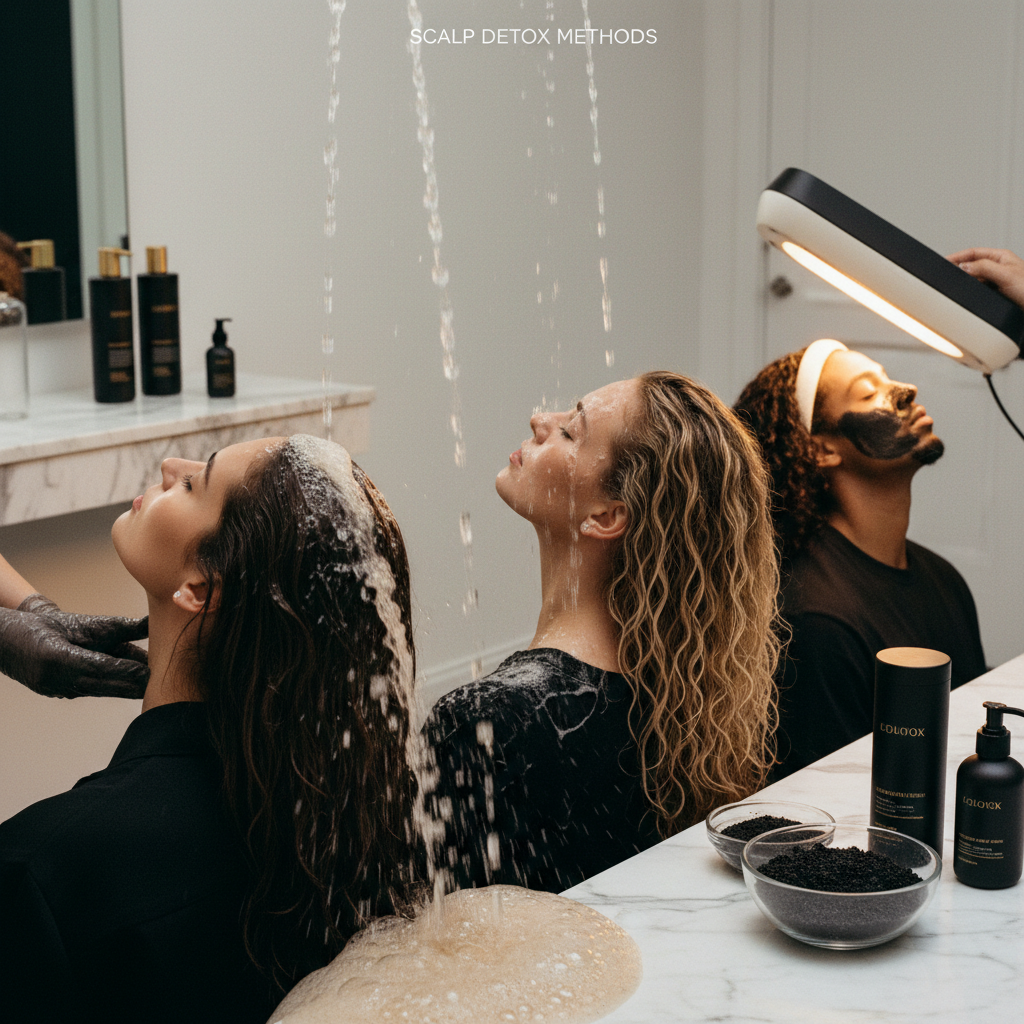
Quick answer: Popular Scalp Detox Methods aim to remove persistent product buildup, excess sebum, and environmental debris from the follicular openings using clarifying cleansers, gentle chemical exfoliants, or clay masks. While marketing claims often suggest these routines purge systemic biological toxins, the scalp does not eliminate internal metabolic waste through hair follicles. True scalp detoxification is purely dermatological hygiene: clearing follicular blockages, balancing the microbiome, and soothing inflammation to maintain an optimal environment for hair fibre growth.
Key takeaways
- The human body detoxifies internally via the liver and kidneys, meaning topical scalp detoxes only remove external debris, dead skin cells, and dried sebum.
- Chemical exfoliants such as salicylic acid (a beta hydroxy acid) dissolve oil within the follicle more effectively and gently than coarse physical scrubs.
- Over-cleansing or using harsh astringents disrupts the scalp's natural acid mantle, which rests at a healthy pH of 4.5 to 5.5.
- Chronic flaking, erythema, and itching frequently indicate underlying medical conditions such as seborrhoeic dermatitis rather than simple product buildup.
- Clarifying treatments should be calibrated to your scalp type, typically ranging from once a week for oily skin to once a month for dry or chemically treated hair.
Scalp Detox Methods: what the evidence shows
Scientific literature views Scalp Detox Methods through the lens of stratum corneum desquamation and follicular hygiene rather than systemic detoxification. The epidermis continually renews itself, shedding dead corneocytes roughly every 28 days. When excess sebum combines with styling polymers, dry shampoo, and airborne particulates, this cellular shedding slows down. The resulting buildup can form follicular plugs, trap oxidative sebum by-products (such as squalene peroxides), and create an anaerobic environment where opportunistic microbes thrive.
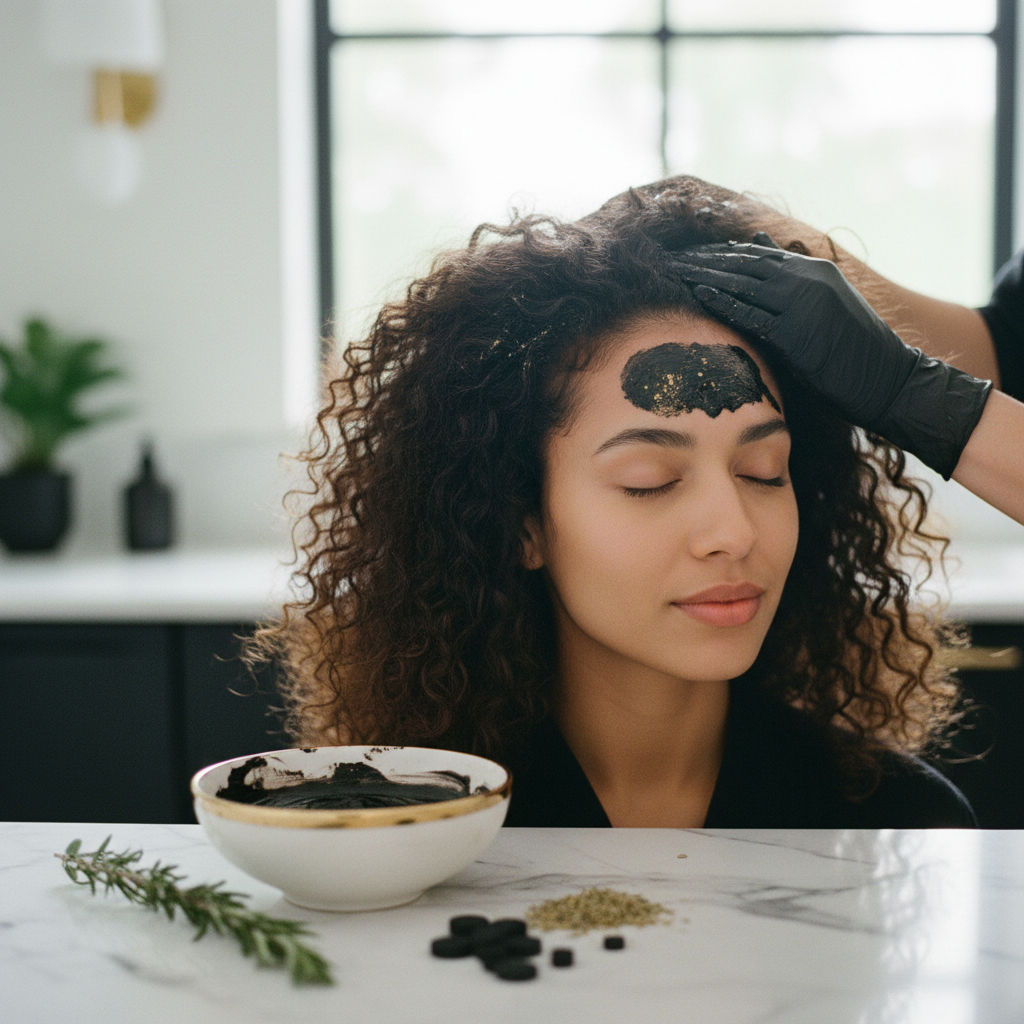
Dermatological research demonstrates that targeting this buildup yields genuine benefits for hair quality. A 2018 study published in the International Journal of Trichology highlighted that oxidative stress on the scalp surface impairs the hair matrix, resulting in weaker fibre formation and heightened hair breakage as the strand grows. Clarifying therapies, clay poultices, and keratolytic solutions alleviate this burden by dissolving adherent scale and stripping lipid-soluble residues without altering systemic physiology.
What the evidence does not show
Popular wellness culture claims that salon or at-home treatments draw heavy metals, synthetic chemicals, or bodily metabolic poisons out through the scalp skin. There is no clinical evidence supporting this mechanism. The eccrine and apocrine sweat glands excrete primarily water, sodium chloride, trace minerals, and minuscule amounts of urea. They are not pathways for full-body detoxification. Applying active charcoal, bentonite clay, or raw apple cider vinegar cannot cleanse the bloodstream or liver. Furthermore, no topical detox protocol can reverse pattern hair loss (androgenetic alopecia), which is governed by genetic sensitivity to dihydrotestosterone (DHT) inside the dermal papilla.
Biological mechanisms: how the scalp accumulates debris
To choose effective scalp therapies, you must understand what actually accumulates on the cranial skin:
- Oxidised Sebum: Sebaceous glands produce a lipid mixture consisting of squalene, wax esters, triglycerides, and free fatty acids. Exposed to oxygen and UV radiation, squalene oxidises into squalene peroxide, a known comedogenic irritant that triggers local inflammation and pruritus.
- Corneocyte Compaction: In a balanced scalp, dead cells detach individually. High sebum output acts as a biological adhesive, glueing thousands of dead cells into visible sheets that lodge around hair openings.
- Product Residue: Insoluble silicones, polyquaternium conditioning agents, and starch-based dry shampoos cling tenaciously to both the hair cuticle and the scalp surface. Regular mild sulfate-free shampoos may fail to solubilise these non-polar compounds entirely.
- Microbial Dysbiosis: The lipophilic yeast Malassezia restricta and Malassezia globosa feed on triglycerides in your sebum, releasing irritating free fatty acids (like oleic acid). This provokes rapid, unorganised epidermal turnover, manifesting as dandruff.
Signs your scalp requires clarifying care
You do not need a rigorous clarifying regimen if your scalp is comfortable and clean. However, consider an exfoliating or purifying treatment if you notice:
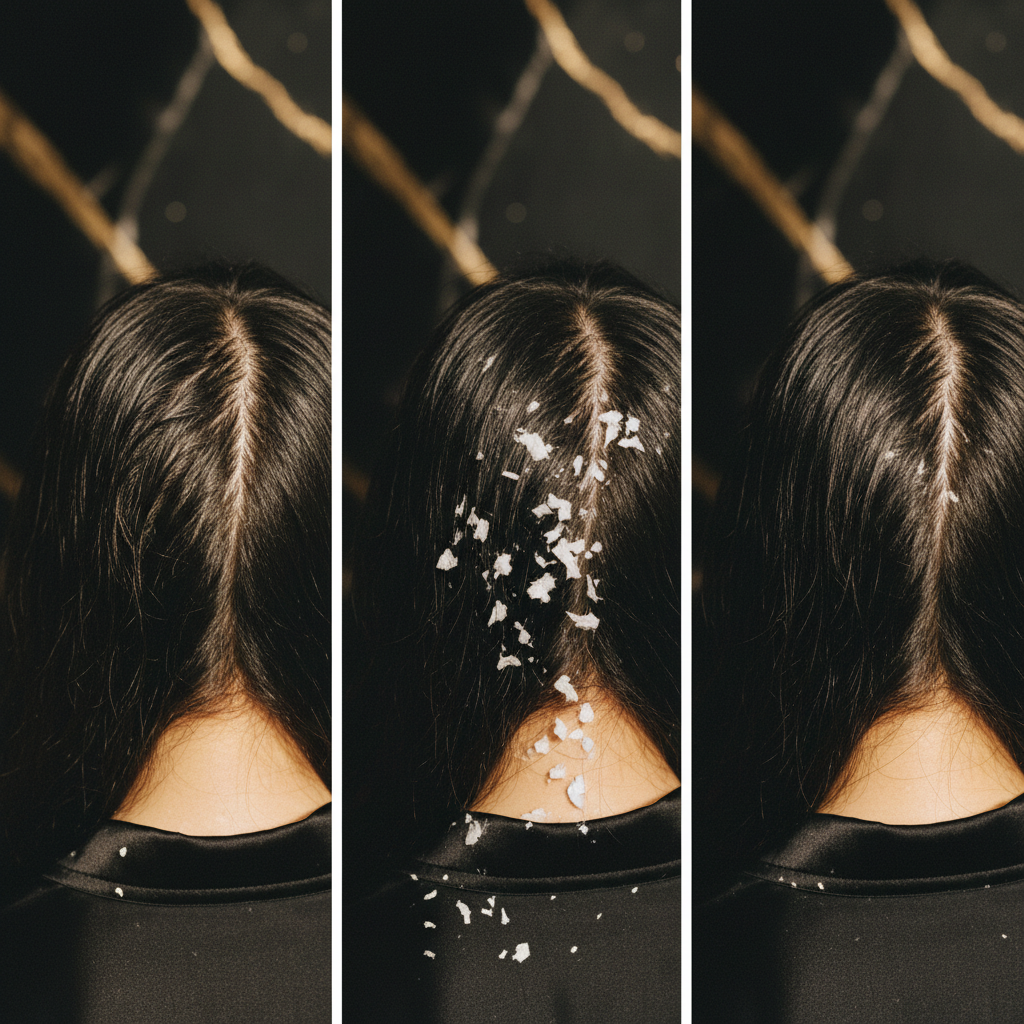
- Persistent Dullness and Limp Roots: Strands refuse to hold volume even immediately after washing.
- Follicular Tenderness: A dull ache or sensitivity across the crown, often provoked by stagnant sebum and low-grade perifollicular inflammation.
- Sticky Flakes: Scales that feel waxy or greasy to the touch, scraping off under fingernails rather than falling loosely onto your shoulders.
- Resistant Odour: A stale or sour smell arising within hours of washing, produced by bacterial breakdown of stagnant scalp lipids.
- Product Inefficacy: Conditioners and scalp serums seem to sit on the surface without absorbing or providing slip.
Comparison of common clarifying and exfoliation methods
| Method | Primary Active Agent | Target Mechanism | Ideal For | Risk Profile |
|---|---|---|---|---|
| BHA Chemical Exfoliation | Salicylic acid (0.5% to 2.0%) | Lipid-soluble; penetrates sebum to dissolve follicular plugs | Oily, flaky scalps prone to blemishes | Low to moderate; can dry sensitive skin if overused |
| AHA Chemical Exfoliation | Glycolic or lactic acid (1.0% to 5.0%) | Water-soluble; weakens desmosomes binding surface dead cells | Normal to dry scalps with superficial dullness | Low; mild stinging on excoriated skin |
| Physical Scrubs | Sea salt, sugar, plant seed powders | Manual abrasion to dislodge loose surface scale | Thick hair, dense buildup with unbroken skin | High; sharp edges can cause micro-fissures and hair breakage |
| Mineral Clays | Bentonite, kaolin, rhassoul | High cation-exchange capacity adsorbs surface oils and minerals | Highly oily scalps, swimmers with mineral coating | Low; can dehydrate hair shafts if left to dry completely |
| Chelating Shampoos | Tetrasodium EDTA, citric acid | Binds hard water metal ions (calcium, magnesium, copper) | Homes with hard water (>180 mg/L CaCO3) | Very low; formulated for frequent hair fibre safety |
Step-by-step guidance: safe scalp purification
To implement Scalp Detox Methods without damaging the delicate skin barrier, follow this dermatologically sound sequence once every 7 to 14 days:
1. Pre-wash chemical exfoliation
Apply a targeted liquid or serum containing 1% to 2% salicylic acid directly to a dry scalp along clean partings. Allow it to rest for 10 to 15 minutes. Avoid mechanical scrubbing with your fingernails; let the acid solubilise the lipid matrix holding dead cells together.
2. Targeted clarifying wash
Step into the shower and wet your hair thoroughly with lukewarm water (ideally around 37°C to 38°C; hot water strips lipids and stimulates reactive sebum production). Apply an anionic or amphoteric clarifying shampoo directly to the scalp. Work the lather using the pads of your fingers or a soft silicone scalp brush using circular, non-abrasive motions for two full minutes.
3. Thorough emulsification and rinse
Rinse with copious running water for at least 90 seconds. If you use heavy styling products, repeat the cleanse with a milder, hydrating formula.
4. Barrier rehydration
Clarifying washes temporarily elevate cuticular friction and remove surface lipids. Always follow with a scalp-compatible balancing toner or lightweight hydrating serum containing humectants like glycerin, panthenol, or hyaluronic acid, alongside an acidic rinse or conditioner to restore the target pH of 4.5 to 5.5.
When the cause is something else: differential considerations
Before applying strong purifying treatments, rule out medical conditions that mimic buildup. Treating an inflamed, diseased scalp with aggressive clarifying agents can severely worsen symptoms:
- Seborrhoeic Dermatitis: Marked by greasy, yellowish plaques over red, irritated skin, often spreading to the eyebrows and nasolabial folds. It requires antifungal actives (ketoconazole, zinc pyrithione, or ciclopirox olamine), not basic cosmetic scrubs.
- Scalp Psoriasis: Presents as sharply demarcated, thick, silvery-white plaques that bleed pinpoint drops when dislodged (Auspitz's sign). Harsh detox treatments will trigger the Koebner phenomenon, worsening the lesions.
- Contact Dermatitis: Burning, itching, and tiny papules that emerge after introducing a new leave-in cosmetic, fragrance, or hair dye. Further stripping the skin exacerbates barrier breakdown.
- Folliculitis: Bacterial or fungal infections of the hair pore presenting as tender, pus-filled pustules. Physical exfoliation risks spreading the pathogen across the scalp.
If you experience pain, crusting, swelling, sudden patchy hair shedding, or scales that do not resolve with standard clarifying care after two weeks, consult a registered trichologist or board-certified dermatologist.
Supporting scalp health with Watermans
If you want to maintain a purified, balanced follicular environment without harsh abrasion or moisture-stripping detergents, consider incorporating Watermans Grow Me Shampoo into your washing rotation. Formulated with revitalising botanical extracts, niacinamide, and biotin, it gently sweeps away daily sebum and styling residues while delivering functional micronutrients straight to the scalp. Pairing it with Watermans Condition Me helps rebalance moisture levels along the hair fibre, leaving your roots feeling fresh, buoyant, and healthy without compromising the vital moisture barrier.
Frequently asked questions about Scalp Detox Methods
How often should I use Scalp Detox Methods?
Most people benefit from clarifying treatments once every one to four weeks. If you produce heavy sebum, work out daily, or regularly use silicone-rich styling serums, a weekly treatment is appropriate. If you have dry, fragile, or colour-treated hair, limit deep cleansing to once a month to prevent stripping structural lipids from the hair shaft.
Can a scalp detox unclog follicles and stop hair loss?
Clearing debris cannot treat androgenetic alopecia, which is dictated by genetics and follicle sensitivity to DHT. However, removing dense sebum plugs and squalene peroxides lowers surface inflammation. Chronic perifollicular inflammation can accelerate hair shedding in susceptible individuals, meaning proper cleansing provides the healthiest baseline for normal hair growth cycles.
Can I make a natural scalp detox with baking soda and apple cider vinegar?
Dermatologists strongly advise against using baking soda (sodium bicarbonate). It has an alkaline pH of roughly 8.3 to 9.0, which severely disrupts the scalp's protective acid mantle (pH 4.5 to 5.5) and forces hair cuticles to swell, causing immediate friction and hair breakage. Diluted raw apple cider vinegar is mildly acidic, but pre-formulated cosmetic products offer far safer, pH-buffered results without risks of chemical irritation.
Is a physical scalp scrub better than a chemical exfoliant?
Generally, no. Physical scrubs containing coarse walnut shells, apricot pits, or large salt crystals often have irregular, sharp edges. When rubbed vigorously against the scalp, they create micro-tears in the epidermal barrier and can shear the delicate cuticle scales of adjacent hair fibres. Chemical exfoliants, particularly salicylic acid, gently break molecular bonds without mechanical trauma.
Summary
The value of Scalp Detox Methods lies in disciplined dermatological hygiene rather than pseudoscientific metabolic purging. By clearing accumulated styling residues, oxidised sebum, and dead corneocytes, you eliminate breeding grounds for opportunistic fungi and reduce oxidative surface stress. Treat your scalp as an extension of facial skin: select gentle chemical exfoliants over abrasive scrubs, avoid scalding water, respect the acid mantle, and seek medical evaluation whenever chronic redness, discomfort, or persistent scaling occurs.
Sources and references
- International Journal of Trichology: "Oxidative Stress in Ageing of Hair" (Trüeb, R. M., 2009 / follow-up data 2018).
- British Association of Dermatologists: "Dermatological Guidelines for Seborrhoeic Dermatitis and Scalp Care" (Clinical Guidelines).
- Journal of the American Academy of Dermatology: "Scalp Sebum, Microbial Flora, and Dandruff: Pathophysiological Links" (Dawber, R., et al.).
- Skin Pharmacology and Physiology: "The Acid Mantle of the Skin: Modern Perspectives on pH and Barrier Function" (Ali, S. M., & Yosipovitch, G., 2013).
- World Trichology Society: "Follicular Impaction, Build-up, and Scalp Hygiene Reference Standards".
Find these ingredients in Watermans products
- Zinc: you will find this ingredient in our Hair Vitamins.
- Oleic Acid: you will find this ingredient in our Camellia & Black Castor Hair & Body Oil.
- Niacinamide: you will find this ingredient in our Hair Mask.
- Panthenol (Provitamin B5): you will find this ingredient in our Heat Protection Spray.