Heat Styling Basics
4 min read ·
Understanding the fundamentals of heat styling, including proper techniques and protective measures, is crucial for maintaining hair health and achieving desired styles.
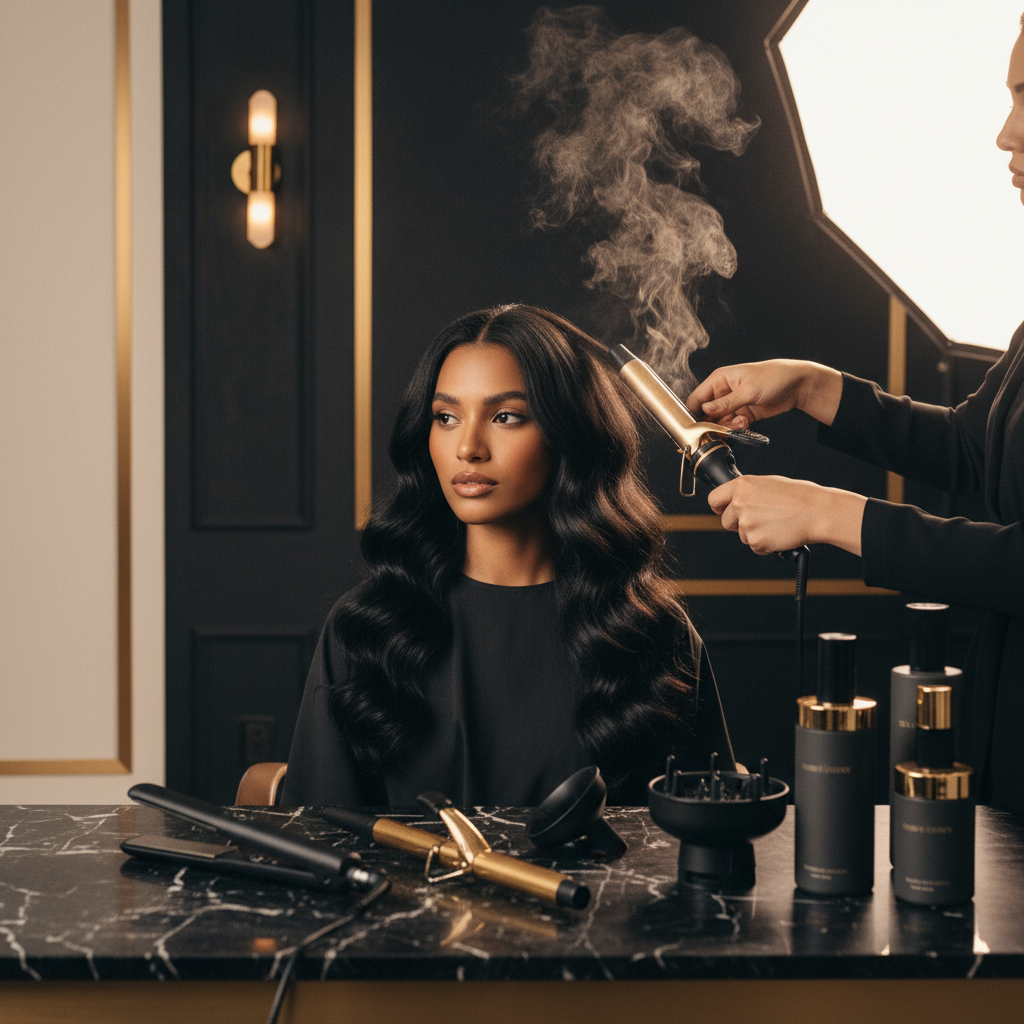
The Science of Heat and Hair
Heat styling tools utilize various mechanisms to alter the hair's structure temporarily. Hair strands are primarily composed of keratin proteins, which are chains of amino acids linked by different bonds. Water molecules play a significant role in maintaining these bonds.
When heat is applied, it breaks the hydrogen bonds within the hair's cortex. This allows the keratin chains to become more pliable and reform into a new shape as the hair cools. The degree and duration of heat, along with the moisture content of the hair, determine how effectively and safely the hydrogen bonds are manipulated.
Impact of Excessive Heat
Applying excessive heat, or heat for prolonged periods, can lead to several forms of damage:
- Cuticle Damage: The cuticle, the outermost layer of the hair, is composed of overlapping scales. High heat can lift, crack, or even remove these scales, leading to rough texture, frizz, and a dull appearance. A compromised cuticle makes the hair more vulnerable to further damage.
- Protein Denaturation: Extreme heat can permanently alter or denature the keratin proteins within the hair. This weakens the hair's internal structure, making it brittle, prone to breakage, and less elastic. Visible signs include white dots on the hair shaft, known as trichorrhexis nodosa, which indicate focal damage.
- Moisture Depletion: Heat rapidly evaporates water from the hair, leading to dehydration. Dehydrated hair is stiff, easily tangled, and loses its natural shine and softness.
Essential Heat Protection
Before applying any heat to the hair, using a heat protectant is paramount. These products create a barrier between the hair and the heat source, minimizing damage. They typically contain ingredients such as:
- Silicones: These form a smooth layer around the hair shaft, reducing friction and helping to distribute heat more evenly.* Hydrolyzed Proteins: These fortify the hair structure and can help repair minor damage.* Humectants: Ingredients like glycerin or panthenol attract and retain moisture, counteracting the drying effects of heat.*
Application Technique
Apply heat protectant evenly to damp, towel-dried hair before blow-drying, or to dry hair before using styling irons. Ensure complete coverage from roots to ends, but avoid over-saturating the hair, which can make it heavy or greasy.
Types of Heat Styling Tools and Their Usage
Different tools apply heat in varying ways and are suited for specific styles. Understanding the optimal use of each tool is key to achieving desired results without causing unnecessary stress to the hair.
| Tool Type | Primary Function | Ideal Hair Type/Style | Key Considerations |
|---|---|---|---|
| Blow Dryer | Drying, Volumizing | All hair types | Use nozzle for direction; dry to 80% before styling. |
| Flat Iron | Straightening, Smoothing | Straight, Wavy, Curly | Use ceramic/tourmaline for even heat; one pass only. |
| Curling Iron | Adding Curls/Waves | Wavy, Straight, Coily | Varies by barrel size; use consistent sections. |
| Hot Rollers | Volumizing, Soft Curls | Fine, Medium, Long hair | Less intense heat than irons; allow full cooling. |
Temperature Control
Many heat styling tools offer adjustable temperature settings. Using the lowest effective temperature is always recommended. Fine, thin, or damaged hair requires lower temperatures, typically below 150°C (300°F). Thicker, coarser, or curlier hair may require slightly higher temperatures, but rarely exceeding 200°C (390°F). Always test on a small, inconspicuous section of hair first.
Techniques for Healthier Heat Styling
Even with heat protectants and proper tools, technique is critical to minimise damage.
- Start with Clean, Detangled Hair: Product buildup can scorch onto the hair shaft under heat, and tangles can lead to uneven heat distribution and breakage.
- Ensure Hair is Dry (for irons): Applying flat or curling irons to wet or even damp hair can cause extreme damage, as the sudden evaporation of water creates steam within the hair shaft, leading to internal structural damage known as "bubble hair." Blow-dry thoroughly first.
- Work in Small Sections: This ensures that each strand receives even heat and avoids the need for multiple passes over the same section, which minimizes heat exposure.
- Keep the Tool Moving: Never hold a hot tool stationary on a section of hair. Continuous movement prevents localized overheating and scorching.
- Limit Frequency: Reduce the frequency of heat styling. Allow hair to air dry when possible, and embrace natural textures. Consider alternating heat styling days with non-heat styling days.
Post-Styling Care
After heat styling, allow the hair to cool completely before brushing or applying finishing products. This allows the hydrogen bonds to fully reform in their new shape, setting the style effectively. Follow up with hydrating leave-in conditioners or serums to replenish moisture and add shine.
Regular deep conditioning treatments are also vital for heat-styled hair to help restore elasticity and moisture lost during the process. Focusing on a routine that prioritizes hair health will ensure that heat styling can be a part of your hair care without compromising its integrity over time.
Find these ingredients in Watermans products
- Panthenol (Provitamin B5), you will find this ingredient in our Heat Protection Spray.