Heat Protection for Hair: An Evidence-Based Guide
9 min read ·
Heat Protection involves using specific products and practices to minimise damage to hair caused by high temperatures from styling tools, creating a barrier and distributing heat more evenly to safeguard hair fibre integrity.
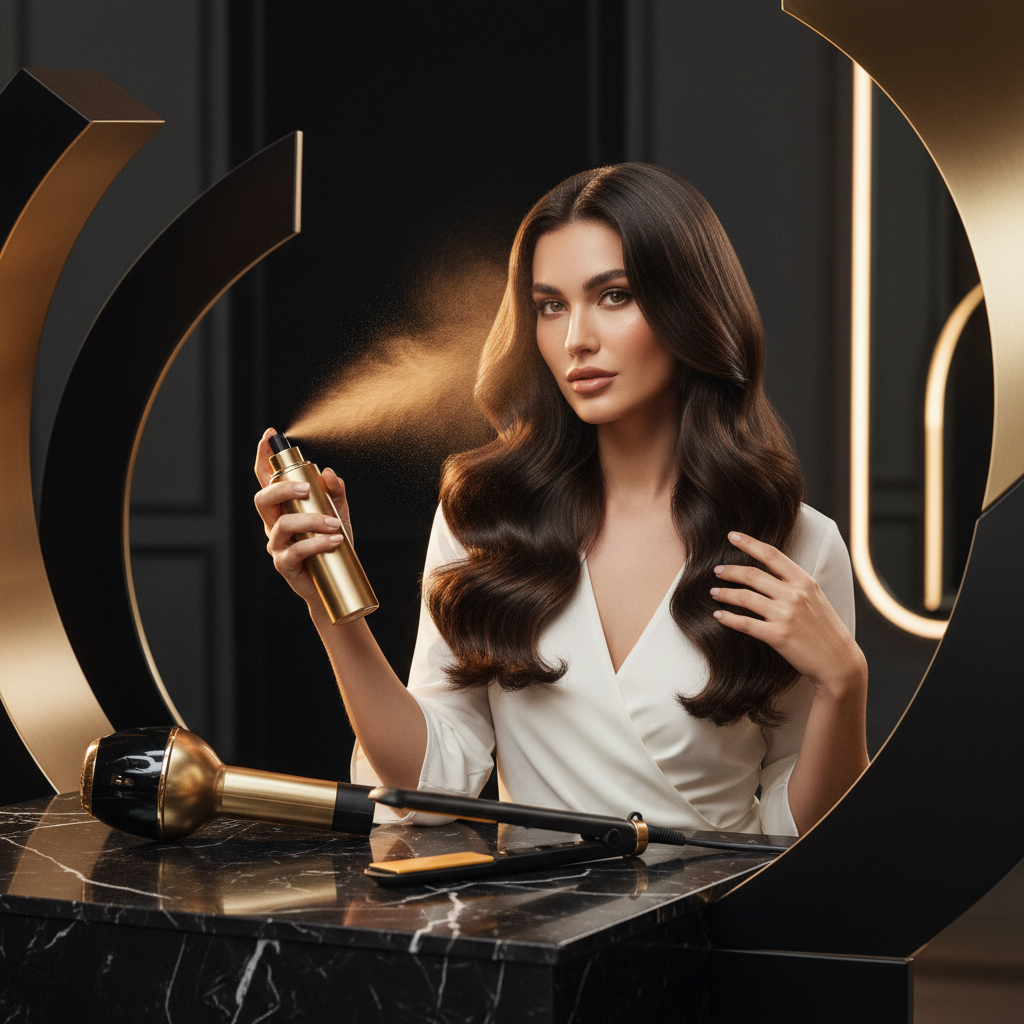
Quick answer: Heat Protection refers to the use of specialised products and techniques designed to shield hair from the damaging effects of high temperatures applied during thermal styling. These methods primarily work by forming a protective barrier on the hair shaft and helping to distribute heat more evenly, thereby reducing protein denaturation and cuticle damage. While effective, Heat Protection products are only one part of a comprehensive strategy and cannot completely negate damage from excessive heat or improper styling practices.
Key takeaways
- Thermal styling tools can weaken hair by denaturing keratin proteins and causing cuticle damage, leading to breakage and frizz.
- Heat Protection products form a barrier on the hair surface and help distribute heat evenly, reducing direct damage.
- Ingredients like silicones, polymers, and hydrolysed proteins are common in heat protectants, each offering specific benefits.
- Effective Heat Protection goes beyond products, requiring lower heat settings, reduced styling frequency, and proper tool use.
- Hair types react differently to heat; fine or chemically treated hair is more vulnerable at lower temperatures.
- Watermans products support overall hair health, creating a stronger foundation that can contribute to resilience against stressors like heat.
Heat Protection: What the Evidence Shows
Heat Protection is a crucial strategy for preserving hair health when using thermal styling tools such as flat irons, curling wands, and blow dryers. When hair is exposed to high temperatures, its structure undergoes significant changes. The primary component of hair, keratin protein, can begin to denature, meaning its natural three-dimensional shape is altered. This denaturation weakens the hair shaft, making it more prone to physical damage like breakage, as well as aesthetic issues such as frizz and a dull appearance.
The water content within the hair also plays a critical role. When wet or damp hair is subjected to high heat, the water rapidly turns into steam. This rapid expansion and exit of steam can create microscopic ruptures or "bubbles" within the hair's cortex and lift or fracture the cuticle, the outermost protective layer. This phenomenon, sometimes called "steam damage", further compromises the hair's integrity and increases its susceptibility to damage. Scientific literature indicates that significant keratin degradation can occur at temperatures around 215°C (419°F), though surface damage and dehydration can start at much lower temperatures commonly reached by styling tools.
Heat Protection products are formulated to mitigate these damaging effects through several mechanisms:
- Creating a Physical Barrier: Many heat protectants deposit a thin, heat-resistant layer onto the hair shaft. Ingredients such as silicones (e.g., dimethicone, cyclomethicone), polyquaterniums, and film-forming polymers act as a shield, absorbing some of the heat energy before it penetrates the hair's internal structure. This reduces the direct transfer of extreme temperatures to the delicate keratin proteins.
- Even Heat Distribution: Certain components in these products can help to spread heat more uniformly across the hair surface. This prevents "hot spots", areas where highly concentrated heat can cause localised and severe damage, ensuring a more gentle and consistent styling process.
- Moisture Retention and Conditioning: Some heat protectants include humectants and conditioning agents. These can help to maintain the hair's internal moisture balance during styling, counteracting the dehydrating effects of heat and helping to keep the cuticle smooth.
- Reducing Friction: Ingredients like silicones also improve the slip of hair, reducing friction between hair strands and styling tools. Less friction means less mechanical stress and fewer opportunities for breakage during the styling process.
Ingredients Commonly Found in Heat Protection Products
Here's a look at common ingredients and their roles in Heat Protection:
| Ingredient Type | Examples | Primary Function in Heat Protection | How It Helps Hair |
|---|---|---|---|
| Silicones | Dimethicone, Cyclopentasiloxane, Amodimethicone | Form a heat-resistant barrier, enhance slip, distribute heat. | Reduces friction, smooths cuticle, provides shine, repels water. |
| Polymers | Polyquaternium-11, VP/DMAPA Acrylates Copolymer | Create a protective film, improve hair manageability, hold style. | Strengthens hair, reduces frizz, provides flexible hold, protects against humidity. |
| Hydrolysed Proteins | Hydrolysed Wheat Protein, Hydrolysed Keratin | Temporarily reinforce hair structure, fill in gaps, reduce breakage. | Improves hair elasticity, adds strength, reduces porosity, conditions. |
| Natural Oils/Extracts | Argan oil, Coconut oil (in some formulations) | Can offer some mild heat-resistance, conditioning, and shine. | Nourishes, moisturises, can help smooth cuticle, reduces protein loss (coconut oil pre-wash). |
| Humectants | Glycerin, Panthenol | Attract and retain moisture, counteracting dehydration from heat. | Keeps hair hydrated, improves elasticity, adds softness. |
It's important to note that while some natural oils offer conditioning benefits and can withstand certain temperatures, they typically do not provide the same level of comprehensive Heat Protection as specially formulated synthetic ingredients. For maximum defence against high heat, a dedicated Heat Protection product is recommended.
What You Can Do for Effective Heat Protection
Implementing a robust Heat Protection strategy involves more than just using a product; it's about modifying your entire styling routine. Here are key steps you can take:
- Choose the Right Product: Select a Heat Protection product that suits your hair type and styling needs. Sprays are often lightweight for fine hair, creams or lotions provide conditioning for thicker or drier hair, and serums can offer shine and frizz control. Always apply it evenly throughout your hair before using heat tools. Ensure the product you choose is suitable for the heat level you intend to use.
- Lower Heat Settings: This is arguably the most crucial step. Use the lowest effective temperature setting on your thermal tools. Many modern tools offer adjustable temperature controls; higher temperatures are not always necessary, especially for fine, chemically treated, or already damaged hair. Experiment to find the minimum heat required to achieve your desired style.
- Reduce Styling Frequency: Limiting how often you use thermal tools significantly reduces cumulative damage. Consider air-drying your hair more often or exploring heat-free styling options. The less often your hair is exposed to high heat, the healthier it will remain.
- Dry Hair Adequately: Never use flat irons or curling irons on soaking wet hair. Doing so can cause rapid "flash drying" and severe steam damage. Ensure your hair is at least 80-90% dry before using these tools. For blow-drying, rough-dry hair with a towel first to remove excess water.
- Use Quick Passes: When using flat irons or curling irons, make swift, continuous passes over sections of hair. Avoid holding the tool in one spot for an extended period, as this concentrates heat and can lead to severe localised damage.
- Invest in Quality Tools: Modern thermal styling tools with ceramic, tourmaline, or titanium plates and ionic technology often distribute heat more evenly and can cause less damage than older, less sophisticated models. Ceramic and tourmaline, for example, tend to heat more consistently and reduce hot spots.
- Regular Conditioning and Treatments: Keeping your hair well-conditioned helps it to be more resilient to stressors, including heat. Refer to our guides on "The Science of Conditioners" and "Hair Hydration: The Science Behind Keeping Hair Moist" for more information.
When the Cause May Be Something Else
While heat damage is a common concern, signs of hair weakness or breakage are not always solely due to thermal styling. If you are experiencing persistent issues despite careful Heat Protection practices, other factors might be at play:
- Chemical Treatments: Repeated colouring, perming, relaxing, or other chemical processes can significantly weaken the hair structure, making it more vulnerable to damage from all sources, including heat. See "Chemical Hair Treatments: What They Are and How They Affect Hair" for more details.
- Mechanical Damage: Aggressive brushing, tight hairstyles, rough towel-drying, or friction from sleep can cause breakage that mimics heat damage. Our "How to Detangle Afro Hair Without Breakage: An Evidence-Based Guide" offers useful insights.
- Environmental Factors: Exposure to harsh UV radiation from the sun, wind, or even hard water can degrade hair proteins and compromise the cuticle. You can learn more about this in "Hard Water and Hair Damage: Understanding the Impact on Your Hair".
- Nutritional Deficiencies or Health Conditions: Underlying health issues or nutrient deficiencies can affect hair growth and strength. Conditions like thyroid disorders, iron deficiency, or severe stress can lead to hair shedding or brittle hair.
- Product Build-up: Heavy product build-up can make hair appear dull and stiff, increasing the likelihood of breakage, especially when heat is applied. A clarifying wash can help, as discussed in "How to Do a Clarifying Wash: A Guide to Deep Hair Cleansing".
If you suspect an underlying health condition or if hair issues persist despite adopting comprehensive Heat Protection and care routines, seeking advice from a healthcare professional or a dermatologist is recommended.
Frequently asked questions about Heat Protection
How often should I use Heat Protection products?
It's recommended to use a Heat Protection product every time you apply heat to your hair, whether it's blow-drying, straightening, or curling. Even if you use low heat settings, the cumulative effect of heat exposure can be damaging over time. Consistent application ensures a protective barrier is always in place, helping to minimise thermal damage and maintain hair health.
Can Heat Protection completely prevent hair damage?
No, Heat Protection products cannot entirely prevent hair damage, but they significantly reduce its severity. They act as a shield, absorbing some heat and distributing it more evenly, but they don't make hair invincible. Combining a good Heat Protection product with lower heat settings, infrequent styling, and proper technique offers the best defence against damage.
Do natural oils provide effective Heat Protection?
Some natural oils, like argan or coconut oil, can offer mild heat resistance and conditioning benefits, but they generally don't provide the same level of comprehensive Heat Protection as dedicated synthetic formulations. For strong defence against high temperatures, especially from styling tools, a purpose-designed Heat Protection product with polymers and silicones is usually more effective.
What is the maximum safe temperature for styling hair?
There isn't one universal "safe" temperature, as it depends on hair type and condition. Fine, chemically treated, or damaged hair is more vulnerable at lower temperatures, potentially below 180°C (350°F). Thicker, virgin hair might tolerate slightly higher temperatures, but staying below 200°C (390°F) is generally advisable. Always use the lowest effective temperature to minimise risk.
How does Heat Protection differ for different hair types?
Different hair types have varying needs for Heat Protection. Fine hair benefits from lightweight sprays that won't weigh it down. Thicker, coarser, or curly hair may benefit from richer creams, lotions, or serums that offer extra conditioning and control frizz. Afro hair, which is often naturally drier, requires products that provide significant moisture alongside heat defence. Always ensure even application for all hair types.
Can I apply Heat Protection to dry hair?
Yes, many Heat Protection products can be applied to dry hair, especially before using flat irons or curling irons. However, always check the product instructions, as some are formulated specifically for damp hair to work most effectively with blow-drying. When applying to dry hair, ensure it's evenly distributed and allowed to dry completely before applying heat to avoid steam damage.
Watermans and Heat Protection
Watermans hair care products are designed to support overall hair and scalp health, creating an optimal foundation for strong, resilient hair. Our formulations, which often include nourishing ingredients, contribute to improving hair's condition and elasticity. While specific Watermans products may offer direct Heat Protection properties through their ingredients, the broader benefit of using the range is to enhance hair health from the root to the tip. Healthier, stronger hair, fostered by a well-nourished scalp and fortified hair fibres, is inherently more capable of withstanding environmental stressors and the demands of thermal styling. This foundational strength can make your hair more resilient, helping it cope better with the occasional application of heat when combined with dedicated Heat Protection methods.
Sources and references
- Journal of Cosmetic Science, "The Effects of Heat on Hair and the Efficacy of Heat Protection Products", various editions.
- British Association of Dermatologists, patient information leaflets.
- NHS (National Health Service), Hair Loss information.
- PubMed Central, studies on hair damage and protection.
- University of California, Berkeley, research on hair fibre structure.
- American Academy of Dermatology Association, hair care advice.
Find these ingredients in Watermans products
- Argan Oil: you will find this ingredient in our Hair Growth Shampoo.