Folliculitis Triggers and Prevention: An Evidence-Based Guide
9 min read ·
Explore the essential guide to Folliculitis Triggers and Prevention. Learn the key causes, microbial mechanisms, and proven scalp habits to stop inflammation.

Quick answer: Understanding Folliculitis Triggers and Prevention is essential for maintaining scalp health and stopping superficial follicle inflammation before it damages the hair root. Common triggers include bacterial overgrowth (Staphylococcus aureus), fungal proliferation (Malassezia), friction from headwear, heavy occlusive oils, and sweat retention. Prevention relies on antimicrobial hygiene, avoiding mechanical friction, and maintaining a balanced scalp microbiome. However, severe, recurrent, or scarring forms of folliculitis require targeted medical prescriptions rather than cosmetic scalp care alone.
Key takeaways
- Folliculitis is an inflammation of one or more hair follicles, typically presenting as tender, red papules or small pustules.
- Primary triggers span mechanical friction, heat and moisture retention, occlusive hair products, and imbalances in scalp microbes.
- Folliculitis causes temporary hair shedding or fibre thinning; if left untreated, chronic deep variants can lead to scarring (cicatricial) alopecia.
- Preventive scalp hygiene centres on gentle clarifying washes, non-comedogenic formulations, and sanitising shared styling tools.
- Distinguishing between bacterial, fungal, and mechanical causes determines whether antimicrobial, antifungal, or behavioural interventions are required.
Folliculitis Triggers and Prevention: what the evidence shows
Clinical dermatology categorises folliculitis by depth (superficial versus deep) and causative agent (infectious versus sterile). The evidence demonstrates that hair follicles are naturally colonised by a complex microflora, primarily Cutibacterium acnes, Staphylococcus epidermidis, and yeasts belonging to the Malassezia genus. Folliculitis develops when mechanical trauma, chemical irritation, or altered physiological conditions disrupt this equilibrium, enabling opportunistic pathogens to invade the follicular ostium.
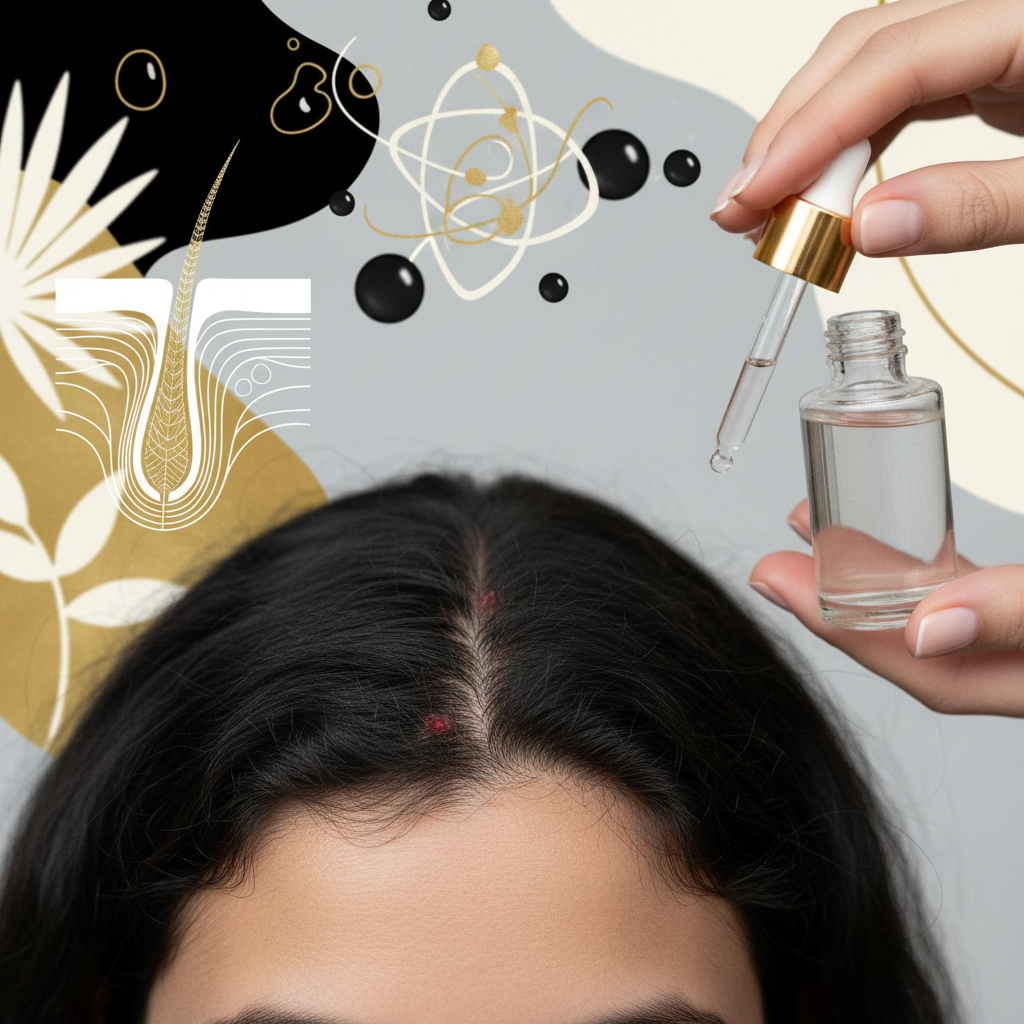
Studies published by the British Association of Dermatologists indicate that Staphylococcus aureus is responsible for the majority of superficial bacterial infections. Conversely, pityrosporum folliculitis occurs when Malassezia yeasts proliferate within the upper infundibulum, frequently exacerbated by hot, humid environments or immunosuppression.
Prevention strategies validated by clinical guidelines focus heavily on barrier preservation. Stripping the scalp with harsh detergents can induce compensatory sebum production and micro-fissures in the stratum corneum, whereas insufficient cleansing allows sebum, dead keratinocytes, and styling polymers to form occlusive plugs. Successful long-term prevention balances effective sebum removal with antimicrobial preservation.
Common triggers for scalp folliculitis
Follicular inflammation rarely appears without an environmental, mechanical, or biochemical catalyst. Identifying the specific trigger is the first step toward resolution.
1. Mechanical friction and occlusion
Tightly fitted sports helmets, hats, headbands, and tight hairstyles (such as weaves or braids) create mechanical friction against the follicular opening. Known clinically as mechanical folliculitis or traction-associated irritation, this physical stress compromises the follicular epithelium. When paired with sweat and warmth, it produces an ideal breeding ground for microbial invasion.
2. Heavy oils, butters, and comedogenic styling agents
Applying mineral oils, pure petroleum, or thick plant butters directly to the scalp can lead to folliculitis. These dense lipids block the follicular funnel (infundibulum), trapping desquamated skin cells and natural sebum. This encourages anaerobic bacterial multiplication and feeds lipid-dependent Malassezia species.
3. Perspiration and delayed post-workout washing
Sweat contains salts, urea, and trace minerals. While perspiration is physiological, allowing dried sweat to sit on the scalp under ambient warmth alters the local pH. Normal scalp surface pH sits between 4.5 and 5.5. Sweat shifts this environment toward alkaline levels, impairing the acid mantle that naturally suppresses pathogenic Staphylococcus species.
4. Contaminated tools and razor trauma
Shaving the scalp or close clipping often causes follicular micro-injuries. Dull blades drag the hair fibre, tearing the follicular neck. Furthermore, unwashed clipper guards, brushes, and pillowcases transfer colonised pathogens back onto freshly abraded skin.
5. Prolonged antibiotic or steroid use
Systemic or prolonged topical antibiotic therapy alters the native cutaneous flora. By eradicating competitive bacteria, it can provoke Gram-negative folliculitis or fungal flares. Similarly, long-term topical corticosteroids suppress local immunity, allowing opportunistic yeasts to flourish unchecked.
What the evidence does not show
There is no clinical evidence showing that scalp folliculitis stems from poor systemic hygiene alone. Even individuals with meticulous washing routines can develop stubborn bouts if their skin barrier is disrupted or if they possess a genetic predisposition to follicular hyperkeratosis.
Additionally, evidence does not support the idea that natural plant oils (such as coconut, olive, or castor oil) are universally antimicrobial when applied to an active infection. While pure monolaurin or specific isolated fatty acids display laboratory antibacterial properties, raw culinary or cosmetic oils introduce complex triglycerides that often nourish fungal microbes, worsening fungal folliculitis. Cosmetic hair washes cannot cure deep-seated bacterial carbuncles, dissecting cellulitis, or scarring alopecias.
Biological mechanism: how the follicle becomes inflamed
The hair follicle is an invagination of the epidermis extending deep into the dermis. The process leading to visible inflammation follows a predictable cascade:
- Follicular occlusion: Keratinocytes lining the upper follicle (the infundibulum) fail to shed properly or become glued together by sebum and external styling residues.
- Microbial shift: The blocked pore accumulates sebum. Depending on host genetics and moisture levels, Staphylococcus aureus or Malassezia yeasts replicate exponentially within this protected pocket.
- Chemotaxis and immune response: Microbial metabolites, enzymes, and lipases breach the thin infundibular barrier. The host immune system responds by releasing pro-inflammatory cytokines (such as IL-1 alpha).
- Neutrophil infiltration: Neutrophils rush to the follicle, accumulating inside the follicular canal. This creates the classic physical manifestation: a tender, raised, pus-filled pustule centred precisely on an emerging hair shaft.
- Tissue resolution or destruction: In superficial folliculitis, the inflammation stays confined to the infundibulum and heals without permanent damage. In deep folliculitis, inflammation breaches the follicle wall, potentially destroying the hair follicle stem cells in the bulge area and causing permanent hair loss.
Distinguishing folliculitis from other scalp conditions
Because red bumps on the scalp share visual characteristics across several disorders, misdiagnosis is common. The table below outlines how to differentiate common scalp presentations.
| Condition | Primary Cause | Typical Appearance | Key Distinguishing Feature |
|---|---|---|---|
| Bacterial Folliculitis | Staphylococcus aureus | Small, tender pustules ringed by red erythema, centred on hair shafts. | Often crusts over with yellow fluid; flares after shaving or friction. |
| Fungal (Pityrosporum) Folliculitis | Malassezia yeasts | Uniform, intensely itchy papules or tiny sterile pustules. | Intensely pruritic; often worsens with sweat and heavy cosmetic oils. |
| Folliculitis Decalvans | Neutrophilic chronic disorder | Painful pustules, crusting, follicular tufting ("doll's hairs"). | Leaves permanent, shiny, smooth scarring patches (cicatricial hair loss). |
| Scalp Acne | Cutibacterium acnes & sebum | Comedones (blackheads/whiteheads) mixed with inflammatory papules. | Lesions are not always centred directly on visible terminal hair shafts. |
| Scalp Psoriasis | Autoimmune hyperproliferation | Well-demarcated plaques covered in thick, silvery-white scales. | Large scale plates; less focused on single, isolated follicular pustules. |
Practical prevention and daily management
Implementing effective Folliculitis Triggers and Prevention routines requires establishing a calm, clean follicular environment while respecting the delicate epidermal barrier.
- Cleanse promptly following intense exercise: Remove perspiration and excess sebum before microbes can metabolise sweat components. A thorough warm water rinse or gentle shampoo within 30 minutes of heavy sweating prevents infundibular irritation.
- Adopt non-comedogenic scalp care: Avoid applying thick pomades, waxes, or unprocessed vegetable oils directly to the scalp skin. Keep styling waxes, leave-in silicones, and hair conditioners at least two centimetres away from the roots, reserving heavy hydrators exclusively for the hair lengths.
- Sanitise grooming equipment: Wash combs, brushes, and clipper guards in warm soapy water followed by a disinfectant soak at least once weekly. Never share headwear, towels, or grooming tools.
- Refine shaving techniques: If you shave your head, use a clean, sharp, single-blade razor or professional foil shaver. Shave in the direction of hair growth rather than against the grain to minimise mechanical friction and reduce the risk of ingrown hairs (pseudofolliculitis).
- Introduce clarifying ingredients: Periodically incorporate shampoos containing salicylic acid (0.5% to 2%), tea tree oil, or zinc pyrithione. Salicylic acid is oil-soluble, penetrating deep into the follicular duct to break down dead keratinised cells before they form occlusive plugs.
When to seek medical advice
You should consult a GP or dermatologist immediately if you experience:
- Pustules that become progressively painful, swell into large nodules, or drain significant purulent discharge.
- Patches of hair shedding or hair loss that reveal smooth, shiny skin where follicles appear absent.
- Multiple hairs emerging from a single follicular opening (tufting).
- Symptoms accompanied by fever, swollen cervical lymph nodes, or spreading facial redness.
- Recurrent outbreaks that fail to improve after two to three weeks of OTC clarifying and antimicrobial hygiene routines.
Deep infections, such as carbuncles or folliculitis decalvans, require oral antibiotics (such as doxycycline or rifampicin), prescription topicals, or professional mycological cultures to isolate the exact organism.
Watermans: Supporting a balanced scalp environment
For everyday scalp maintenance, Watermans focuses on establishing a clean, invigorating base that discourages residue accumulation without stripping vital moisture.
Products like Watermans GrowMe Shampoo provide gentle cleansing powered by rosemary extract, caffeine, biotin, and allantoin. By lifting dead surface skin, clearing sweat deposits, and providing a refreshed environment for your follicles, this formula helps you avoid the heavy build-up that often triggers everyday follicular irritation. Watermans formulations are designed to support a vibrant, healthy-looking scalp and strong hair fibres, keeping the follicular openings clear of unwanted debris.
Folliculitis Triggers and Prevention: summary of best practice
A thorough approach to Folliculitis Triggers and Prevention pairs prompt hygiene with intelligent product selection. By minimising mechanical friction, avoiding heavy comedogenic butters at the roots, and cleansing the scalp soon after heavy sweating, you significantly lower the risk of follicular irritation. Remember to treat your scalp as an extension of facial skin: keep it balanced, respect its natural moisture barrier, and seek clinical diagnosis whenever irritation fails to clear promptly.
Frequently asked questions about Folliculitis Triggers and Prevention
What is the most effective approach to Folliculitis Triggers and Prevention on the scalp?
The most reliable strategy involves eliminating follicular occlusion and bacterial cross-contamination. Wash your hair promptly after sweating, swap heavy plant butters for lightweight, water-based hydrators, regularly sanitise styling equipment, and use mild clarifying washes containing salicylic acid or zinc to keep the follicle canals clear of debris.
Can folliculitis lead to permanent hair loss?
Superficial folliculitis damages only the upper segment of the follicle and does not cause permanent hair loss, though you may notice temporary hair shedding. However, chronic or deep bacterial variants, such as folliculitis decalvans, can destroy the follicular stem cells located in the bulge region, leading to permanent cicatricial (scarring) alopecia.
Is scalp folliculitis contagious to other people?
While the normal microbes on your skin are not inherently contagious, specific infectious strains, particularly Staphylococcus aureus or fungal dermatophytes, can spread via shared items. Avoid sharing unwashed towels, clippers, combs, pillowcases, or headwear with others to minimise the transmission of pathogenic organisms.
How do I know if my folliculitis is fungal or bacterial?
Bacterial folliculitis commonly features tender, variable-sized pustules surrounded by red circles that may crust with yellowish exudate. Fungal (Malassezia) folliculitis typically appears as uniform, tiny, intensely itchy papules that do not respond to traditional antibacterial cleansers. A dermatologist can confirm the diagnosis by taking a simple swab or scrape.
Does washing my hair every day prevent folliculitis?
Daily washing can help individuals with naturally oily scalps or active workout regimes by preventing sweat and sebum build-up. However, using overly harsh, high-pH detergents daily can disrupt the skin barrier, creating micro-tears that actually increase susceptibility to bacterial invasion. Balance is key: choose gentle, pH-balanced formulations.
Sources and references
- British Association of Dermatologists. Folliculitis Clinical Guidelines and Patient Information, 2022.
- NHS. Folliculitis Overview and Treatment, 2023.
- National Institute for Health and Care Excellence (NICE). Boils, carbuncles, and staphylococcal folliculitis: antimicrobial prescribing, 2021.
- Luelmo-Aguilar, J., & Santandreu, M. S. Folliculitis: recognition and management. American Journal of Clinical Dermatology, 2004.
- Rubenstein, R. M., & Malerich, S. A. Malassezia (pityrosporum) folliculitis. The Journal of Clinical and Aesthetic Dermatology, 2014.
Find these ingredients in Watermans products
- Zinc: you will find this ingredient in our Hair Vitamins.
- Castor Oil: you will find this ingredient in our Camellia & Black Castor Hair & Body Oil.