Follicular Occlusion: Mechanisms, Symptoms, and Scalp Management
9 min read ·
Understand what causes Follicular Occlusion, how it damages hair follicles, and the difference between cosmetic blockages and severe scarring conditions.
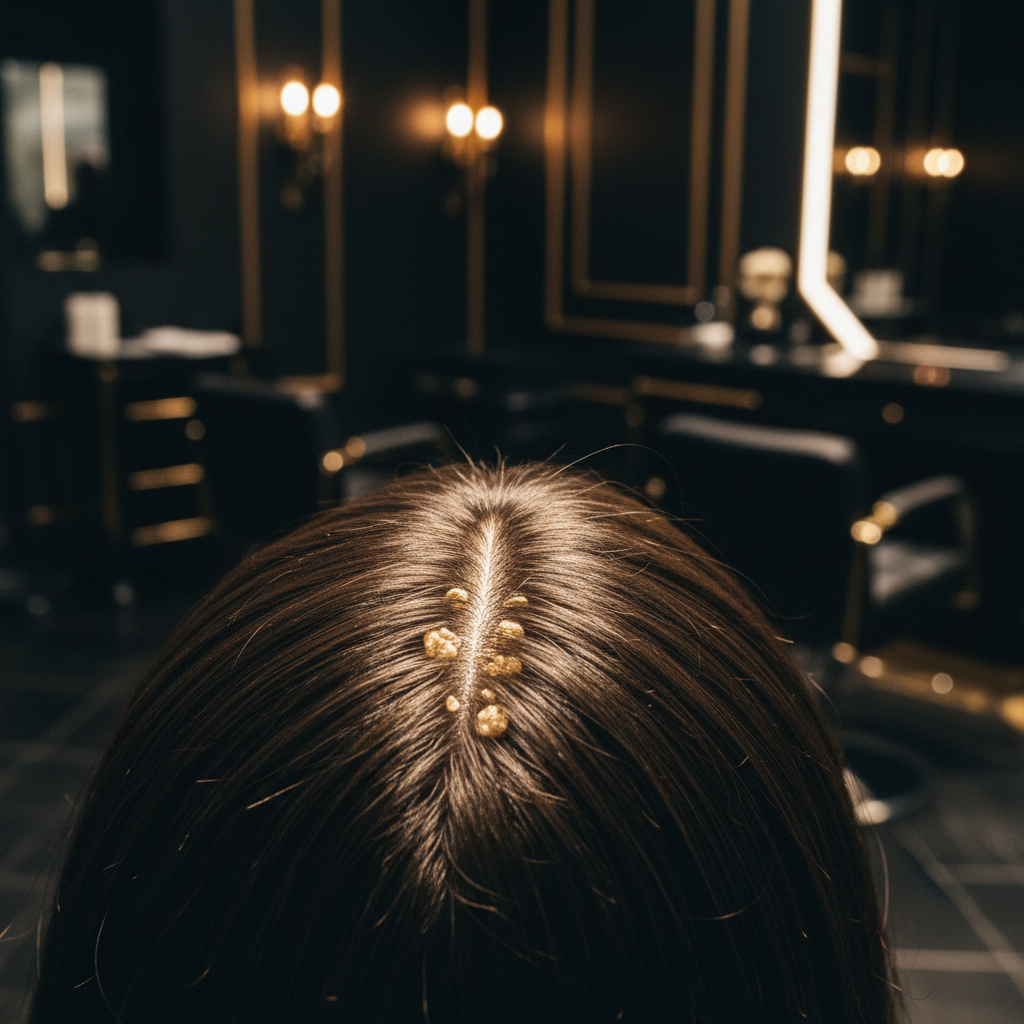
Quick answer: Follicular Occlusion occurs when the opening of a hair follicle becomes blocked by hyperkeratosis, sebum, debris, or external cosmetic build-up. This blockage traps sebum and inflammatory material beneath the surface, often leading to swelling, bacterial proliferation, and eventual follicular rupture. While mild forms cause scalp bumps or comedones, severe forms belong to the follicular occlusion tetrad, which causes deep, scarring nodules. Topical cleansing helps surface build-up, but systemic medical therapies are required for chronic, inflammatory follicular diseases.
Key takeaways
- Follicular Occlusion refers to the physical or biological blockage of the follicular infundibulum (the pore opening), trapping sebum and dead keratinocytes underneath.
- Mild cosmetic occlusion leads to scalp congestion, folliculitis, or comedones, often aggravated by heavy waxes, unwashed scalp oils, and infrequent clarifying.
- Severe clinical occlusion is driven by genetic and immune-mediated hyperkeratinisation, anchoring conditions such as hidradenitis suppurativa and dissecting cellulitis of the scalp.
- If an occluded follicle ruptures into the dermis, it triggers a severe foreign-body inflammatory reaction that can destroy stem cells and cause permanent scarring alopecia.
- Management varies dramatically: cosmetic occlusion resolves with salicylic acid and proper scalp hygiene, whereas deep inflammatory occlusion requires clinical intervention like oral retinoids, antibiotics, or biologics.
Follicular Occlusion: what the evidence shows
Follicular Occlusion is primarily a disorder of keratinisation at the infundibulum, the upper portion of the hair follicle canal. Under normal physiological conditions, keratinocytes lining the follicular canal shed into the lumen and wash out onto the skin surface carried by flowing sebum. In follicular occlusion syndromes, these cells fail to detach cleanly and instead aggregate, forming a dense plug known as a hyperkeratotic comedo.
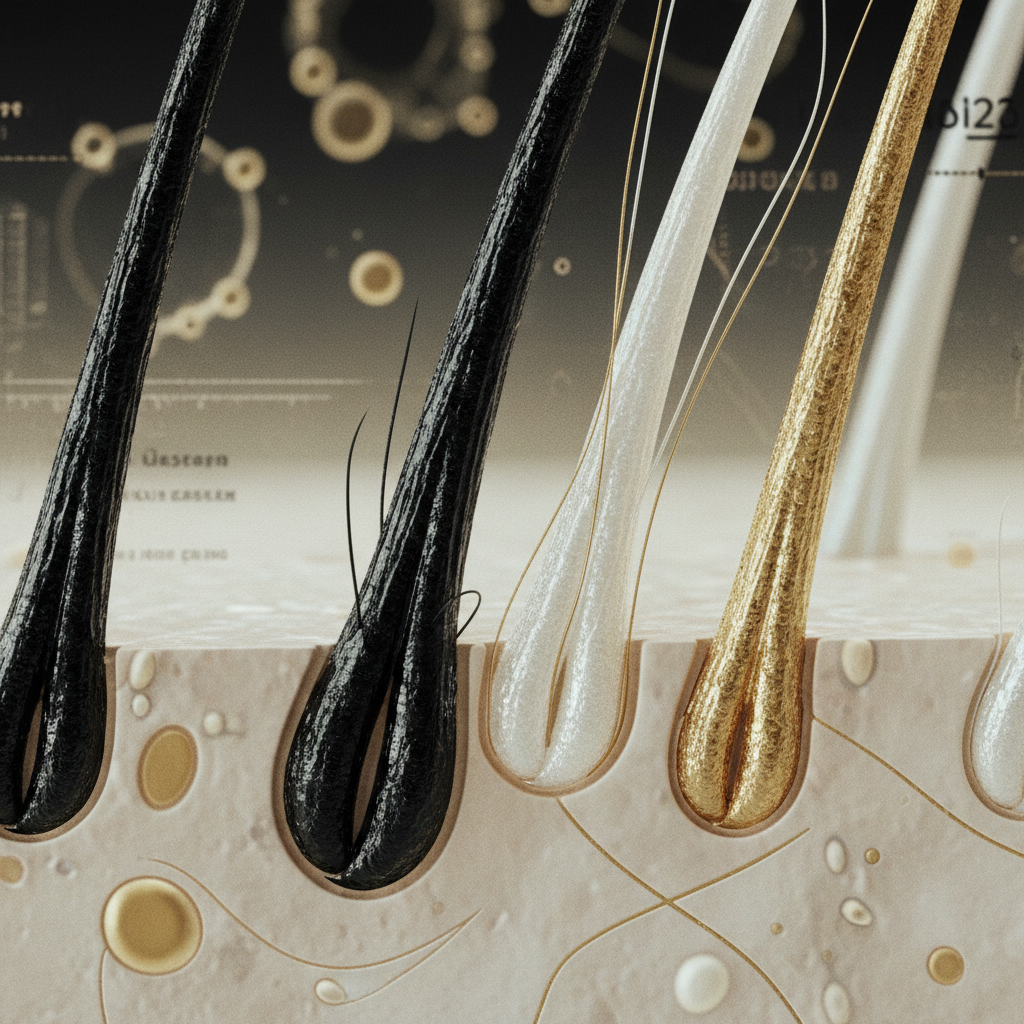
Research shows that this blockage sets off a predictable domino effect. As the sebaceous gland continues to produce lipids behind the obstruction, pressure mounts inside the canal. Normal skin microbiota, particularly Cutibacterium acnes and Staphylococcus species, metabolise these trapped lipids into free fatty acids, creating an irritant environment that summons neutrophils and lymphocytes.
In dermatology, the term is famously linked to the follicular occlusion tetrad, an interconnected group of four chronic inflammatory conditions:
- Dissecting cellulitis of the scalp (perifolliculitis capitis abscedens et suffodiens)
- Hidradenitis suppurativa (acne inversa)
- Acne conglobata
- Pilonidal sinus disease
All four conditions share the exact same underlying initiating event: follicular infundibular hyperkeratosis leading to occlusion, secondary dilation, and devastating deep dermal rupture.
What the evidence does not show
The evidence does not show that all follicular blockages are identical or that cosmetic products alone cause destructive clinical disorders.
First, cosmetic products, while capable of causing mild superficial folliculitis or pomade acne, do not cause dissecting cellulitis or hidradenitis suppurativa. Dissecting cellulitis is an autoinflammatory disorder driven by aberrant immune responses and genetic predisposition, not simply by using heavy hair oils.
Second, the presence of Follicular Occlusion does not automatically mean permanent hair loss. Hair loss only becomes permanent (cicatricial or scarring alopecia) if the deep inflammation destroys the follicular stem cells located in the bulge region, roughly 1 to 1.5 millimetres below the scalp surface. When the blockage remains confined to the upper infundibulum, the underlying hair matrix and dermal papilla remain intact, meaning hair shedding is temporary and fully reversible once inflammation subsides.
The mechanism: from plugged pore to dermal rupture
The biological sequence of occlusion follows four distinct stages:
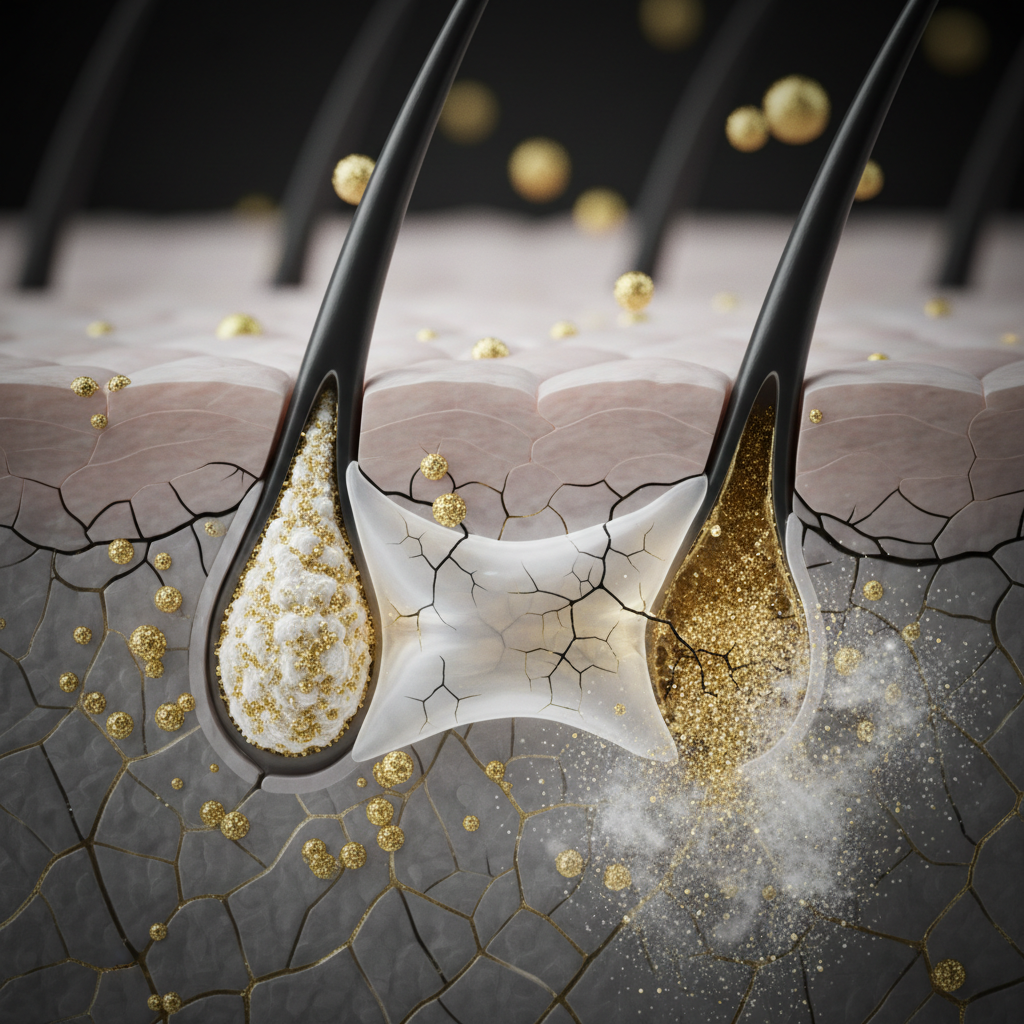
- Infundibular Hyperkeratosis: Keratinocytes lining the upper follicle become abnormally cohesive. Instead of desquamating naturally, they create a cohesive plug that seals the follicular orifice.
- Follicular Dilation: Sebaceous secretions, dead cells, and bacterial byproducts accumulate beneath the plug. The follicle expands into a tense retention cyst.
- Follicular Rupture: The structural integrity of the follicle wall fails under hydrostatic and inflammatory pressure. The wall bursts, discharging hair fragments, sebum, and keratin directly into the sterile dermis.
- Foreign-Body Granuloma and Fistulae: The immune system treats free keratin and hair fragments as foreign invaders. Massive neutrophil and macrophage infiltration creates a foreign-body granuloma. In the scalp, deep inflammation can tunnel horizontally between neighbouring follicles, creating interconnected sinuses and extensive scar tissue.
[Normal Follicle]
 │
 ▼
[Infundibular Hyperkeratosis] (Keratinocytes fail to shed)
 │
 ▼
[Follicular Occlusion] (Plug forms; sebum & bacteria trapped)
 │
 ▼
[Follicular Dilation] (Pressure builds behind blockage)
 │
 ▼
[Follicular Rupture] (Wall bursts into the surrounding dermis)
 │
 ▼
[Foreign-Body Granuloma & Scarring] (Inflammatory destruction)
Signs of Follicular Occlusion: mild versus severe
Recognising whether a blockage is superficial or deep dictates the right course of action. Stylists and individuals can evaluate symptoms using the following characteristics:
| Feature | Superficial / Cosmetic Occlusion | Deep Inflammatory Occlusion (e.g., Dissecting Cellulitis) |
|---|---|---|
| Primary Location | Hairline, crown, beard area | Vertex and occipital scalp |
| Visual Appearance | Small whiteheads, blackheads, pinpoint red papules | Large, boggy, fluctuant nodules; draining sinus tracts |
| Pain Level | Mild itching, occasional tenderness | Moderate to severe, throbbing scalp pain |
| Hair Status | Hair fibre intact; occasional diffuse shedding | Patchy, localised hair loss over the nodules |
| Risk of Scarring | Negligible | Very high (cicatricial alopecia) |
| Primary Drivers | Heavy pomades, sebum accumulation, poor rinsing | Immune dysregulation, abnormal follicular architecture |
| Primary Care | Clarifying washes, chemical exfoliants (salicylic acid) | Specialist medical care (antibiotics, isotretinoin, biologics) |
What you can do for cosmetic scalp occlusion
If you are dealing with superficial scalp congestion, comedones, or mild product build-up, several practical steps can clear the follicular opening and maintain scalp equilibrium.
Implement chemical exfoliation
Mechanical scalp scrubs can cause micro-tears in the delicate scalp epithelium and push debris deeper into the infundibulum. Instead, opt for leave-on or rinse-off formulations containing salicylic acid (0.5% to 2%). As a lipophilic beta-hydroxy acid, salicylic acid penetrates directly into the lipid-rich sebum plug, dissolving the cohesive bonds between dead keratinocytes.
Re-evaluate heavy styling products
Occlusive styling aids containing heavy petrolatum, microcrystalline waxes, or dense plant butters can easily overwhelm follicles, especially on fine or low-porosity hair. If you frequently use edge controls, pomades, or styling pastes, ensure you use a surfactant-rich shampoo at least once or twice per week rather than relying solely on co-washes.
Establish proper scalp washing mechanics
A common contributor to cosmetic occlusion is superficial washing. Ensure shampoo contacts the scalp skin directly, not just the hair lengths. Massage the scalp with the pads of your fingers (avoiding fingernails) for at least 60 seconds to break down surface sebum and rinse with lukewarm water. Water that is too hot can irritate the skin barrier and cause reactive sebum production.
When the cause may be something else
Not every scalp bump or pustule stems from classic Follicular Occlusion. Several conditions mimic these symptoms and require different interventions:
- Bacterial Folliculitis: Usually caused by Staphylococcus aureus, manifesting as discrete, pustular eruptions around individual hairs without deep comedone formation.
- Folliculitis Decalvans: A rare, chronic cicatricial alopecia characterised by crops of pustules, crusting, and tufted hairs (multiple hairs emerging from a single dilated pore). It is an inflammatory condition requiring immediate dermatological management.
- Scalp Psoriasis: Involves well-demarcated, thick, silvery-white plaques and redness. While keratin is hyper-proliferative, it affects the interfollicular skin broadly rather than isolating within the follicular canal.
- Seborrhoeic Dermatitis: Driven by an inflammatory reaction to Malassezia yeast, producing greasy, yellowish scales and pruritus without follicular ruptures.
When to seek professional advice
Superficial follicular plugging will generally respond to clarifying and salicylic acid within two to three weeks. You must consult a doctor, trichologist, or dermatologist promptly if you observe:
- Tender, fluctuant, or soft fluid-filled swellings on the scalp
- Pus, blood, or watery discharge oozing from nodules
- Noticeable patches of hair loss where hair fails to regrow
- Systemic signs such as swollen lymph nodes at the back of the neck or fever
- Persistent bumps that do not respond to over-the-counter anti-dandruff or clarifying shampoos
In these instances, continuing to rely on cosmetic remedies risks permanent loss of the hair follicle stem cells.
Supporting scalp health with Watermans
Maintaining an optimal scalp environment is essential for preventing the cosmetic congestion that can lead to superficial follicular blockage.
The Watermans range is formulated to foster a clean, invigorated scalp base. Watermans GrowMe Shampoo utilises a targeted blend of ingredients including caffeine, biotin, rosemary, and niacinamide. This formulation thoroughly washes away excess surface sebum, dead skin cells, and daily cosmetic residue without stripping the delicate scalp barrier.
By keeping the follicular ostia clear of debris and delivering vital micro-nutrients, regular use helps support thicker-looking, resilient hair fibres. For those seeking leave-in support, Watermans Grow More Scalp Elixir delivers concentrated botanical actives directly to the scalp, keeping the skin moisturised, supple, and fresh between washes.
Frequently asked questions about Follicular Occlusion
What is Follicular Occlusion?
Follicular Occlusion is the biological or physical blockage of a hair follicle's infundibulum by dead keratinocytes, hardened sebum, or cosmetic residue. This blockage creates an anaerobic, pressure-filled environment inside the follicle that can cause inflammation, bacterial overgrowth, and potential tissue damage.
Can Follicular Occlusion cause permanent hair loss?
Yes, but only if the occlusion leads to deep dermal rupture and chronic inflammation. If the inflammatory cascade destroys the epithelial stem cells located in the follicular bulge region, the follicle is replaced by fibrous scar tissue, resulting in permanent cicatricial alopecia. Superficial blockages do not cause permanent hair loss.
How do I treat cosmetic Follicular Occlusion at home?
Cosmetic occlusion can be managed by washing regularly with a clarifying or surfactant-balanced shampoo, applying salicylic acid (0.5% to 2%) to dissolve trapped keratin and sebum, and reducing the use of heavy, oil-dense pomades or waxes that physically seal the scalp pores.
Is dissecting cellulitis the same as standard Follicular Occlusion?
Dissecting cellulitis of the scalp is an extreme clinical manifestation of Follicular Occlusion. It is one of the disorders in the follicular occlusion tetrad, where profound occlusion leads to severe, painful, interconnected sinus tracts and extensive scarring across the scalp.
How long does it take for a blocked follicle to clear?
Superficial follicular plugs typically resolve within 14 to 28 days, aligning with the scalp's natural epidermal turnover cycle, provided you maintain proper cleansing. In contrast, deep clinical occlusions require medical treatments such as oral antibiotics or retinoids and can take several months to stabilise.
Summary
Follicular Occlusion is an issue that ranges from benign cosmetic build-up to severe, scarring dermatological diseases. At its core, the problem is simple: keratin, sebum, or external styling residues obstruct the hair pore, trapping secretions that provoke an inflammatory response. By distinguishing surface-level congestion from deep, painful nodules, you can apply the right solution, whether that means incorporating clarifying routines and beta-hydroxy acids or seeking early medical care to safeguard your follicles from permanent scarring.
Sources and references
- American Academy of Dermatology Association. Hidradenitis Suppurativa: Overview and Symptoms.
- British Journal of Dermatology. The pathogenesis of the follicular occlusion triad.
- Bolognia, J. L., Schaffer, J. V., & Cerroni, L. Dermatology, 4th Edition. Elsevier, 2018.
- Journal of the American Academy of Dermatology. Dissecting cellulitis of the scalp: A comprehensive review.
- National Institute for Health and Care Excellence (NICE). Acne vulgaris: management. Clinical guideline [NG198].
Find these ingredients in Watermans products
- Niacinamide: you will find this ingredient in our Hair Mask.