Dealing with Hair Loss: Understanding Causes and Management
12 min read ·
Dealing with Hair Loss involves identifying the underlying cause, which can range from genetic factors to temporary shedding, to effectively manage and address the condition.
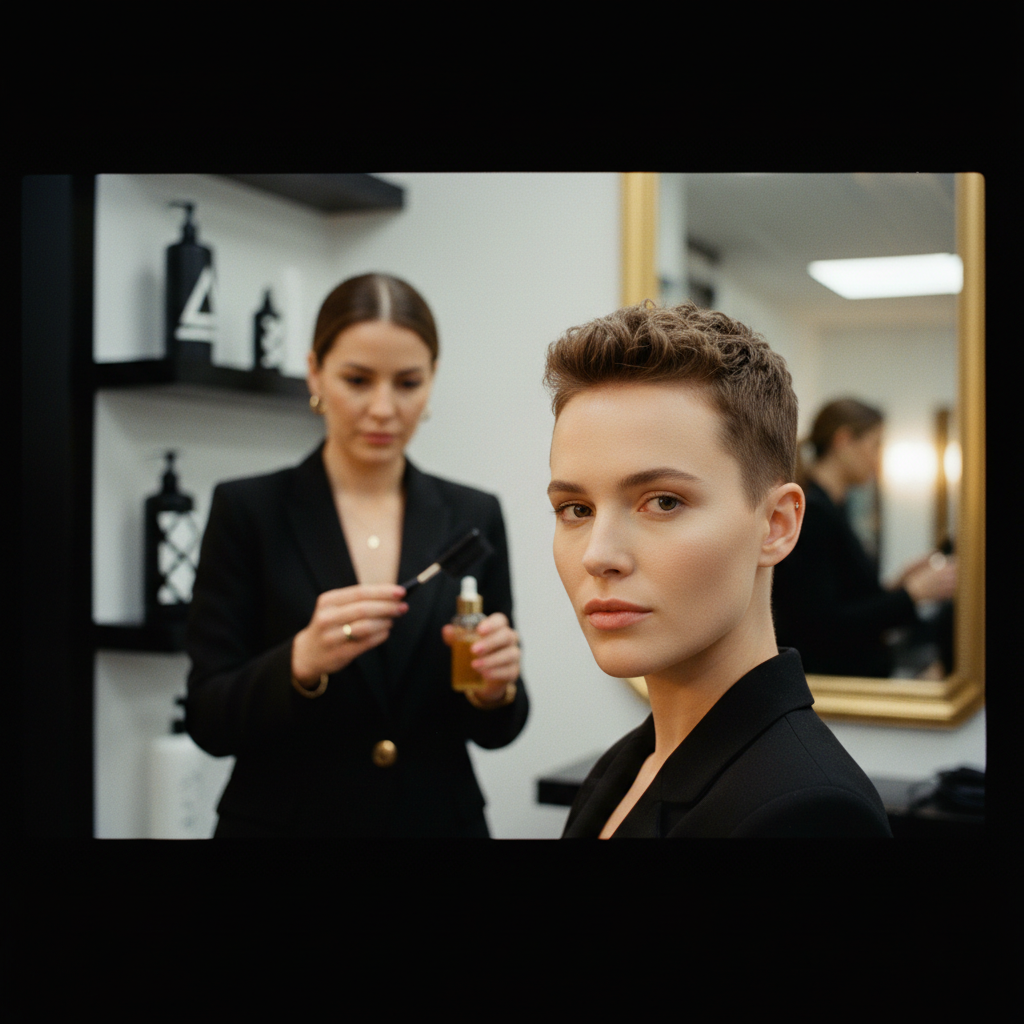
Quick answer: Dealing with Hair Loss is a complex journey that often begins with understanding whether you are experiencing true hair loss (alopecia), temporary hair shedding (effluvium), or hair breakage. It requires careful diagnosis to pinpoint the specific cause, which can range from genetics and autoimmune conditions to stress or nutritional deficiencies, before effective management strategies can be implemented, but cosmetics alone are not a treatment for medical hair loss conditions.
Key takeaways
- True hair loss (alopecia) differs from normal hair shedding or hair breakage; it involves impaired hair growth or excessive follicle loss.
- Causes vary widely, including genetic predisposition (androgenetic alopecia), autoimmune conditions (alopecia areata), stress-related shedding (telogen effluvium), and physical damage (traction alopecia).
- Accurate diagnosis by a healthcare professional is crucial to determine the specific type and cause of hair loss.
- Management strategies depend on the diagnosis and can include lifestyle adjustments, topical treatments, oral medications, and in some cases, surgical options.
- Early intervention and consistent care are generally associated with better outcomes for managing hair loss.
Dealing with Hair Loss: what the evidence shows
Dealing with Hair Loss involves understanding its different forms, as true hair loss, medically termed alopecia, is distinct from normal hair shedding or breakage. While it's natural to shed 50 to 100 hairs daily as part of the hair growth cycle, alopecia occurs when this rate is significantly exceeded, or when hair regrowth is compromised, leading to noticeable thinning or bald patches. Hair breakage, on the other hand, refers to the hair fibre snapping along the shaft, often due to damage, and doesn't impact the follicle's ability to grow new hair. The approach to dealing with hair loss fundamentally relies on correctly identifying the underlying reason.
Hair Loss (Alopecia) vs. Hair Shedding (Effluvium) vs. Hair Breakage
It's vital to differentiate between these three common concerns, as their causes and solutions vary significantly.
- Hair Loss (Alopecia): This refers to conditions where the hair follicle itself is affected, leading to reduced hair production or permanent loss. Examples include androgenetic alopecia (pattern baldness) and alopecia areata. Hair loss requires medical diagnosis and often targeted treatments.
- Hair Shedding (Effluvium): This is a temporary increase in the number of hairs entering the resting (telogen) phase and falling out. It's often triggered by a significant stressor, illness, or hormonal change, and typically resolves on its own once the trigger is removed. The hair follicles remain healthy and capable of regrowth.
- Hair Breakage: This occurs when the hair shaft breaks due due to external damage, such as excessive heat styling, harsh chemical treatments, or vigorous brushing. The hair follicle itself is usually unaffected, and new hair will continue to grow from the scalp. Preventing breakage involves improving hair care practices and strengthening the hair fibre.
Understanding these distinctions is the first step in dealing with hair loss effectively, ensuring that the appropriate actions are taken for the specific issue.
Common causes of hair loss
Hair loss can stem from a variety of factors, often overlapping. Identifying the specific cause is paramount for effective management.
Androgenetic Alopecia (Pattern Hair Loss)
This is the most common form of progressive hair loss, affecting both men and women globally. It's primarily genetic, inherited from either parent. In men, it typically presents as a receding hairline and thinning at the crown. In women, it usually appears as diffuse thinning over the top of the scalp, with the frontal hairline often remaining intact.
Mechanism: Androgenetic alopecia is linked to a genetic sensitivity of hair follicles to dihydrotestosterone (DHT), a potent derivative of testosterone. Hair follicles sensitive to DHT progressively miniaturise, producing shorter, finer hairs over time until they cease to produce visible hair. This process is gradual.
Telogen Effluvium (Excessive Hair Shedding)
Telogen effluvium is a temporary increase in hair shedding that usually occurs 2 to 4 months after a significant physical or psychological stressor. A large number of hairs prematurely shift from the growing (anagen) phase to the resting (telogen) phase, leading to widespread shedding.
Common Triggers: childbirth, severe illness or infection (e.g., COVID-19), major surgery, significant psychological stress, extreme dieting or sudden weight loss, certain medications (e.g., antidepressants, blood thinners), and sudden hormonal shifts (e.g., stopping oral contraceptives). The shedding typically resolves within 6 to 9 months once the trigger is removed.
Alopecia Areata
Alopecia areata is an autoimmune condition where the body's immune system mistakenly attacks healthy hair follicles. This leads to sudden, often patchy hair loss on the scalp or other parts of the body. Patches are typically round or oval and can vary in size. In some cases, it can progress to complete scalp hair loss (alopecia totalis) or total body hair loss (alopecia universalis).
Mechanism: T-lymphocytes, a type of immune cell, infiltrate and surround the hair follicles, causing inflammation and disrupting the hair growth cycle, preventing hair from growing.
Traction Alopecia
This type of hair loss results from consistent or repetitive tension on the hair follicles, typically due to tight hairstyles. It's often seen along the hairline or where hair is pulled taut.
Common Causes: tight braids, ponytails, buns, hair extensions, dreadlocks, or repeatedly using hair rollers too tightly. If the tension is not ceased, prolonged traction can lead to inflammation around the follicle and, eventually, scarring, which can result in permanent hair loss.
Other causes of hair loss and shedding
- Nutritional Deficiencies: Inadequate intake of essential nutrients such as iron, zinc, biotin, or vitamin D can impair hair health and growth. Severe protein deficiency can also impact the hair growth cycle. Addressing these deficiencies through diet or supplementation, under medical guidance, can often reverse the shedding.
- Thyroid Disorders: Both an overactive (hyperthyroidism) and an underactive (hypothyroidism) thyroid can disrupt the hair growth cycle, leading to diffuse hair thinning. Treating the underlying thyroid condition usually restores normal hair growth.
- Medications: A wide range of medications can cause hair loss as a side effect, including some used for cancer (chemotherapy), arthritis, depression, heart problems, and high blood pressure. This type of shedding typically resolves after discontinuing the medication, if medically appropriate.
- Scalp Conditions: Fungal infections like tinea capitis (ringworm of the scalp), psoriasis, or seborrheic dermatitis can cause inflammation, itching, and damage to hair follicles, leading to hair loss. Treating the underlying scalp condition is essential.
- Aging: As we age, hair naturally thins and grows more slowly. Hair follicles can become dormant, and the overall density of hair decreases. This is a normal physiological process.
- Chemical Damage: Excessive or incorrect chemical treatments, such as bleaching, perming, or straightening, can severely damage the hair shaft and, in some cases, the follicle, leading to breakage and potential loss. See also Chemical Hair Treatments: What They Are and How They Affect Hair.
Diagnosing hair loss
Accurate diagnosis is crucial for effectively dealing with hair loss. A thorough evaluation by a healthcare professional, typically a dermatologist or trichologist, usually involves several steps:
- Medical History: The professional will ask about your personal and family history of hair loss, recent stressors, diet, current medications, styling habits, and any associated symptoms like itching or pain.
- Physical Examination: This includes a close examination of your scalp, hair, and the pattern of hair loss. A "pull test" may be performed to assess the degree of shedding. A dermatoscope, a specialised magnifying tool, can be used to examine hair follicles and scalp condition in detail.
- Blood Tests: These are often ordered to check for underlying conditions that can cause hair loss, such as iron deficiency (ferritin levels), thyroid disorders (TSH, T3, T4), vitamin D deficiency, or other hormonal imbalances.
- Scalp Biopsy: In some complex cases, a small sample of scalp tissue may be taken and examined under a microscope. This can help identify inflammatory conditions, scarring, or other specific follicular abnormalities.
- Hair Analysis: While less common for initial diagnosis, sometimes a hair analysis might be done to examine the hair shaft for structural abnormalities or nutrient deficiencies, though its diagnostic utility for general hair loss is debated.
Management strategies for dealing with hair loss
Management approaches vary widely depending on the specific cause and type of hair loss. While some forms are temporary and may resolve on their own, others may require ongoing intervention.
Lifestyle and hair care adjustments
Many strategies for dealing with hair loss begin with optimising general health and hair care practices.
- Gentle Hair Care: Avoid harsh brushing, excessive heat styling (see Heat Styling Safety Best Practices), and tight hairstyles that pull on the hair. Opt for wider-toothed combs and gentle towel drying. Refer to Hair Drying Techniques for best practices.
- Balanced Diet: Ensure adequate intake of protein, vitamins (especially B vitamins, D), and minerals (iron, zinc). If deficiencies are identified, supplementation might be recommended under medical guidance. Protein is a fundamental building block for hair. For more on this, see Lupin Protein: Benefits, Mechanisms, and Haircare Applications.
- Stress Management: Chronic stress can exacerbate various types of hair loss, particularly telogen effluvium. Techniques such as mindfulness, yoga, regular exercise, or counselling can help manage stress levels.
- Scalp Health: Maintaining a clean and healthy scalp environment is important. Regular, gentle cleansing helps remove build-up that can impede follicle function. See Understanding Scalp Health: A Foundation for Thriving Hair.
Topical treatments
These are applied directly to the scalp to stimulate hair growth or reduce inflammation.
| Treatment Type | Primary Mechanism | Common Use Cases |
|---|---|---|
| Minoxidil | A vasodilator that is believed to prolong the anagen (growth) phase of the hair cycle and stimulate dormant hair follicles. Its exact mechanism is not fully understood. | Androgenetic alopecia (male and female pattern hair loss), some forms of telogen effluvium. |
| Corticosteroids | Anti-inflammatory properties to suppress the immune response and reduce inflammation around hair follicles. | Alopecia areata, certain inflammatory scalp conditions (e.g., lichen planopilaris). |
| Ketoconazole | An antifungal agent that also has anti-inflammatory properties. For some formulations, it may reduce androgen effects on the scalp. | Fungal scalp infections (tinea capitis), seborrheic dermatitis, and adjunctive therapy for androgenetic alopecia in some cases. |
Oral medications
For some types of hair loss, oral medications may be prescribed by a doctor.
- Finasteride: Primarily prescribed for men with androgenetic alopecia. It works by inhibiting the enzyme 5-alpha-reductase, which converts testosterone to DHT, thereby reducing DHT levels and preventing follicle miniaturisation.
- Spironolactone: An anti-androgen medication sometimes prescribed for women with androgenetic alopecia, particularly where there is evidence of hormonal imbalance. It blocks androgen receptors and reduces androgen production.
- Immunosuppressants: For more severe cases of alopecia areata, medications that suppress the immune system may be used, such as oral corticosteroids or JAK inhibitors. These are typically reserved for extensive or rapidly progressing cases due to potential side effects.
Other therapies
- Low-Level Laser Therapy (LLLT): Uses red light to stimulate cellular activity within hair follicles. The proposed mechanism involves increasing blood flow and nutrient delivery, and reducing inflammation. While some studies suggest benefits for androgenetic alopecia, evidence for its consistent efficacy is still developing and often varies between devices and protocols.
- Platelet-Rich Plasma (PRP): Involves drawing a patient's blood, processing it to concentrate platelets, and then injecting this PRP into the scalp. Platelets contain growth factors that are thought to stimulate hair growth and prolong the anagen phase. This therapy is considered experimental by some medical bodies, with variable results and ongoing research into standardised protocols.
- Hair Transplantation: A surgical procedure where hair follicles are moved from a donor area (typically the back or sides of the head) to thinning or bald areas. It is a permanent solution for some types of hair loss, particularly androgenetic alopecia, but is not suitable for all forms of hair loss or all individuals.
When to seek professional advice for hair loss
It is advisable to consult a healthcare professional, such as your GP or a dermatologist, if you notice:
- Sudden or rapid hair loss: Especially if it occurs in patches.
- Significant increase in shedding: Beyond what you consider normal.
- Visible bald patches or widespread thinning: If it's progressing rapidly.
- Scalp symptoms: Such as itching, burning, pain, redness, or scaling.
- Hair loss combined with other symptoms: Like fatigue, weight changes, or irregular periods, which could indicate an underlying medical condition.
- Hair loss after starting new medication: To determine if it's a side effect.
Early diagnosis can lead to more effective management and prevent potential progression of certain types of hair loss.
Frequently asked questions about Dealing with Hair Loss
Can stress cause permanent hair loss?
No, stress typically causes telogen effluvium, a temporary shedding condition, rather than permanent hair loss. The hair follicles remain healthy and capable of regrowth once the stressor is removed and the body recovers. However, chronic or severe stress can exacerbate other forms of hair loss or prolong shedding. Managing stress is key for healthy hair.
Are there any dietary changes that can help with dealing with hair loss?
Yes, a balanced diet rich in protein, vitamins (especially B vitamins, C, D, E), and minerals (iron, zinc) is crucial for healthy hair growth. Deficiencies in these nutrients can contribute to shedding. While dietary changes can support hair health, they are unlikely to reverse genetic hair loss or autoimmune conditions. Always consult a professional before taking supplements.
Is it normal to shed more hair in the shower?
Yes, it is normal to shed more hair in the shower or when brushing, especially if you haven't washed your hair for a few days. The act of washing and massaging the scalp dislodges hairs that were already in the resting phase and ready to fall out. As long as the overall daily shedding remains within the normal range of 50 to 100 hairs, there's usually no cause for concern.
Can hair products cause hair loss?
No, cosmetic hair products generally do not cause true hair loss (alopecia), which affects the follicle. However, harsh chemical treatments, excessive heat, or very tight hairstyles can cause hair breakage or traction alopecia. Some individuals might experience scalp irritation or allergic reactions to certain ingredients, which could temporarily impact the scalp environment. Choosing gentle, appropriate products is always best.
How long does it take to see results from hair loss treatments?
The timeframe for seeing results from hair loss treatments varies significantly depending on the type of loss, the treatment chosen, and individual response. Generally, it can take 3 to 6 months of consistent treatment to notice visible improvements, as hair growth is a slow biological process. Surgical options like hair transplantation have immediate but initially temporary results, with full growth appearing over 6 to 12 months.
Dealing with Hair Loss: a holistic approach
Dealing with Hair Loss effectively requires a comprehensive approach that prioritises accurate diagnosis and personalised management. Understanding the distinction between true hair loss, temporary shedding, and breakage is the first critical step. While some cosmetic products can support a healthy scalp and hair fibre, they do not treat medical conditions. Early consultation with a healthcare professional can ensure the most appropriate and evidence-based strategies are implemented, from lifestyle adjustments to medical interventions, leading to better outcomes for hair health and overall well-being.
Sources and references
- American Academy of Dermatology Association. (n.d.). Hair Loss: Diagnosis and Treatment. AAD.org.
- British Association of Dermatologists. (n.d.). Alopecia Areata, Androgenetic Alopecia, Telogen Effluvium. BAD.org.uk.
- NHS. (2022). Hair loss. NHS.uk.
- Sperling, L. C. (2001). Hair Anatomy for the Clinician. Journal of Investigative Dermatology Symposium Proceedings, 6(1), 1-4. PubMed.gov. DOI: 10.1046/j.1087-0024.2001.00003.x
- Van Neste, D., & Rushton, D. H. (1997). Hair problems in women. Clinical & Experimental Dermatology, 22(5), 232-237. PubMed.gov. DOI: 10.1111/j.1365-2230.1997.tb01799.x
Find these ingredients in Watermans products
- Biotin: you will find this ingredient in our Hair Growth Shampoo.